 Nairobi Kenya Information CentreView Attraction
A Special Nairobi Conservation Experience
The David Sheldrick Wildlife Trust (SWT), widely known by visitors as the Sheldrick Elephant Orphanage, operates a Nairobi Nursery inside Nairobi National Park. It is a rescue and rehabilitation centre where orphaned elephants receive specialist care before beginning the gradual process of reintegration into the wild.
The public visit is a carefully managed opportunity to learn about the Trust’s work and observe the young elephants during their daily routine. It is not a zoo encounter or an opportunity for visitors to handle the animals. The Trust limits human contact so that the elephants can develop the behaviours and independence needed for a future life in the wild.
Important distinction: the Nairobi Nursery visit has two separate charges: the Sheldrick Wildlife Trust’s own nursery donation and the Kenya Wildlife Service (KWS) fee to enter Nairobi National Park. Paying one does not cover the other.
The Story Behind the Trust
The Trust’s work grew from the conservation legacy of David Sheldrick, a pioneering Kenyan wildlife conservationist who played a major role in the development of Tsavo East National Park. Following his death, his wife, Dame Daphne Sheldrick, established the David Sheldrick Wildlife Trust in 1977 in his memory.
Daphne Sheldrick became internationally recognised for developing specialist milk formula and care techniques that helped make the hand-rearing of orphaned elephants possible. The Trust has since developed a wider conservation programme that includes elephant rescue and rehabilitation, anti-poaching work, veterinary support, habitat protection and community initiatives.
A conservation legacy
David Sheldrick
A respected conservationist and long-serving warden in Tsavo whose work helped shape wildlife protection in Kenya.
Pioneering elephant care
Dame Daphne Sheldrick
Her specialist knowledge and dedication transformed the care of orphaned elephants and helped establish the methods used to raise vulnerable calves.
What Happens During the Public Visit?
The one-hour public visit is timed around the Nursery herd’s midday milk feed and mud bath. Visitors gather at designated viewing areas as the elephants come out of the forest in groups.
The milk feed
Watch the Elephants Feed
You can see the young elephants receive bottles of their specialist milk formula from their keepers. Feeding is carried out by the trained team, not by visitors.
Playtime
Mud Baths & Dust Baths
After feeding, the elephants may wallow in mud, roll in dust, play with one another or explore their surroundings. Each day is different.
Keeper presentation
Individual Rescue Stories
A senior keeper introduces the elephants, shares details about their backgrounds and personalities, and explains the wider conservation work.
Questions & learning
Understand Their Journey
Visitors have an opportunity to learn about elephant behaviour, the challenges of rescue and the long process of preparing an orphan for life in the wild.
You may see the elephants at close range from the visitor viewing areas, and a curious calf may sometimes extend its trunk towards the cordon. Visitors must not touch, feed or approach the animals.
Location & How to Get There
The Nairobi Nursery is located inside Nairobi National Park. Public access is through the KWS Mbagathi Gate, also referred to by the Trust as the KWS Workshop Gate, on Magadi Road.
Park access
KWS Mbagathi Gate
All visitors must complete the KWS park-entry process before proceeding to the Nursery. The Trust advises visitors to arrive early because gate procedures can take time.
Taxi & ride-hailing
Uber or Private Taxi
If arriving by taxi or ride-hailing vehicle, the driver may drop you at the KWS gate unless the driver and vehicle have also paid the required KWS entry charges. From the gate, follow the Trust’s instructions for the visitor transfer.
For visitors arriving on foot after being dropped at the gate, the Trust operates a shuttle vehicle between approximately 10:15 am and 11:30 am to carry booked visitors the short distance to the Nursery. Follow the directions given by KWS customer service staff and Trust personnel on the day.
Do not navigate directly to the Nursery and assume you can enter independently. You need a confirmed Trust booking and must follow the KWS gate and visitor-transfer procedure. Check the official Nursery visiting page before travelling.
Booking Your Visit
Entry to the 11:00 am public visit is strictly by advance booking. The Trust has limited daily capacity and does not accept walk-ins or same-day bookings.
- Email the Sheldrick Wildlife Trust Nairobi office at info@sheldrickwildlifetrust.org.
- State your preferred visit date.
- Provide the number of adult and child tickets required.
- Include the full name of every adult attending and the name and age of every child.
- Wait for the Trust’s official booking confirmation email. Bring the confirmation on the day, either digitally or printed.
Booking window: the Trust currently accepts bookings for dates within the next three months. It advises allowing at least two business days for an email response. If you do not receive a reply after that period, check your spam or junk folder before following up.
Third-party booking warning: the Trust states that only booking confirmations issued directly by Sheldrick Wildlife Trust are valid. If a tour operator or guide is arranging your visit, ask them to provide the Trust’s official confirmation email. A tour voucher or third-party reservation alone is not sufficient.
Book only the number of places you genuinely require. The Trust states that all tickets in a confirmed booking remain payable even if fewer people attend on the day.
Visiting Hours & Important Timing
| Detail | Current visitor information |
|---|---|
| Public visiting hour | 11:00 am to 12:00 noon |
| Days open to public | Daily, except 25 December |
| Recommended arrival | At or before 10:30 am |
| Advance booking | Mandatory; no same-day bookings or walk-ins |
| Visit duration | One hour; the session cannot be delayed or extended for late arrivals |
Arrive early to allow time for KWS entry checks, payment verification and the transfer to the Nursery. The Trust cannot hold the session for late visitors, and late arrival may mean missing the experience.
Entry Donations & Nairobi National Park Fees
1. Sheldrick Wildlife Trust Nursery Donation
The Trust requests a minimum donation for the public visit. This is paid directly to Sheldrick Wildlife Trust staff at the Nursery on the day of the visit; it is not the same as the KWS park fee.
| Visitor category | Minimum nursery donation | Conditions |
|---|---|---|
| Adult aged 12 years and above | US$20 | Or Kenya-shilling equivalent based on the day’s exchange rate |
| Kenya-resident adult | KES 2,000 | Proof of residency required |
| Child under 12 years | US$5 | Or Kenya-shilling equivalent based on the day’s exchange rate |
| Kenya-resident child | KES 500 | Proof of residency required |
2. KWS Nairobi National Park Entry Fee
KWS requires all visitors to the Nursery to pay the Nairobi National Park entry fee, even if they do not intend to take a game drive in the park. The following rates are shown in the KWS Conservation Fees 2025 schedule, effective from 1 October 2025.
| Visitor category | Adult | Child / Student |
|---|---|---|
| East African Citizen | KES 1,000 | KES 500 |
| Kenya Resident | KES 1,350 | KES 675 |
| African Citizen | US$40 | US$20 |
| Non-Resident | US$80 | US$40 |
Budget for both charges. The KWS park fee is paid separately through the KWS eCitizen platform, while the Nursery donation is paid directly to the Trust on arrival. KWS also charges for drivers and vehicles entering through the gate; the applicable amount depends on the vehicle and current KWS tariff. Confirm the total for your transport arrangement before travelling.
Pay the KWS fee in advance through the KWS eCitizen portal to help reduce delays at the gate. For any uncertainty about visitor classification, student eligibility or vehicle charges, confirm directly with KWS.
How the Orphan Elephants Are Rehabilitated
Many elephant calves arrive at the Nursery after losing their mothers or becoming separated from their herds. The circumstances can include poaching, human-wildlife conflict, drought, accidents and other emergencies. Rescue teams assess each case and arrange specialist care for vulnerable animals.
Rescue & recovery
Emergency Care
Rescue teams respond to reports of orphaned or distressed elephants. Calves may need urgent veterinary attention, hydration, warmth and carefully managed nutrition.
The Nairobi Nursery
Specialist Raising
Keepers provide round-the-clock care, individual attention and specialist milk formula while the young elephants regain strength and develop.
Growing independence
Reintegration Units
As they mature, elephants progress to reintegration units where they continue learning natural behaviours and gradually build relationships with wild herds.
Long-term goal
Return to the Wild
The objective is to give each elephant the best possible chance of returning to a free-ranging life. Reintegration is a gradual process and can take many years.
The Trust operates reintegration units at Voi and Ithumba in Tsavo East National Park and at Umani Springs in the Kibwezi Forest. These are not ordinary walk-in visitor attractions; access is associated with the Trust’s conservation lodges and designated arrangements.
Can You See Rhinos at the Orphanage?
The Trust’s conservation work also includes the rescue and care of rhinos. However, visitors should not assume that a rhino will be part of the public Nursery experience. The Trust specifically notes that Maxwell, its blind black rhino, is not available to meet during the public visit because he prefers a quiet environment.
The public hour is centred on the elephants currently at the Nairobi Nursery. The animals present can change as individuals grow and move to reintegration units.
Supporting Conservation: Adoption & Donations
Visitors who wish to continue supporting the Trust can make a donation or symbolically adopt an orphan. Adoption contributions help fund the specialist care required to raise orphaned elephants and support the wider Orphans’ Project.
- Adoptions can be arranged online through the Trust or in person after the public visit.
- The minimum contribution for an in-person adoption is currently US$50 per year.
- In-person adopters receive an adoption packet that includes a certificate, an elephant watercolour print and a profile card.
- Adopters receive updates about their chosen orphan and the wider herd through the Trust’s adoption programme.
Learn more through the official orphan and adoption information.
Best Time to Visit & What to Wear
The Nursery’s public session takes place at a fixed time throughout the year, so the most important planning factor is securing a booking and arriving early. Nairobi’s weather can be sunny and warm around midday, while rainy periods can make the outdoor viewing area muddy.
- Wear comfortable shoes suitable for an outdoor, sometimes muddy setting.
- Bring a hat and sunscreen because the viewing area can be exposed to direct sun.
- Carry drinking water. Refreshments are not provided at the Nursery.
- During rainy periods, consider a light rain jacket and footwear with good grip.
- Bring a camera or phone for personal photographs, but do not use flash or disrupt the session.
Visitor Rules & Responsible Photography
- Keep to the designated visitor areas and follow all instructions from Trust staff.
- Do not touch, feed, call to, chase or attempt to interact with the elephants.
- Only the trained keepers may feed and directly handle the animals.
- Keep mobile phones on silent and do not make or receive calls during the presentation.
- Smoking and vaping are prohibited.
- Photography and video are permitted for personal use only. Commercial filming and commercial use of content captured at the Nursery are prohibited.
- Do not bring snacks or other drinks; carry water for your own use.
- Respect other visitors and keep noise to a minimum.
The Trust carefully limits the elephants’ exposure to people because the long-term aim is reintegration into the wild. Respecting the viewing boundary is part of supporting that conservation goal.
Combining Sheldrick with Other Nairobi Attractions
The Nursery visit can be included in a wider Nairobi day, but its fixed 11:00 am start should determine the order of activities. Allow enough time for the KWS gate process and the visitor transfer before considering additional stops.
Nearby wildlife experience
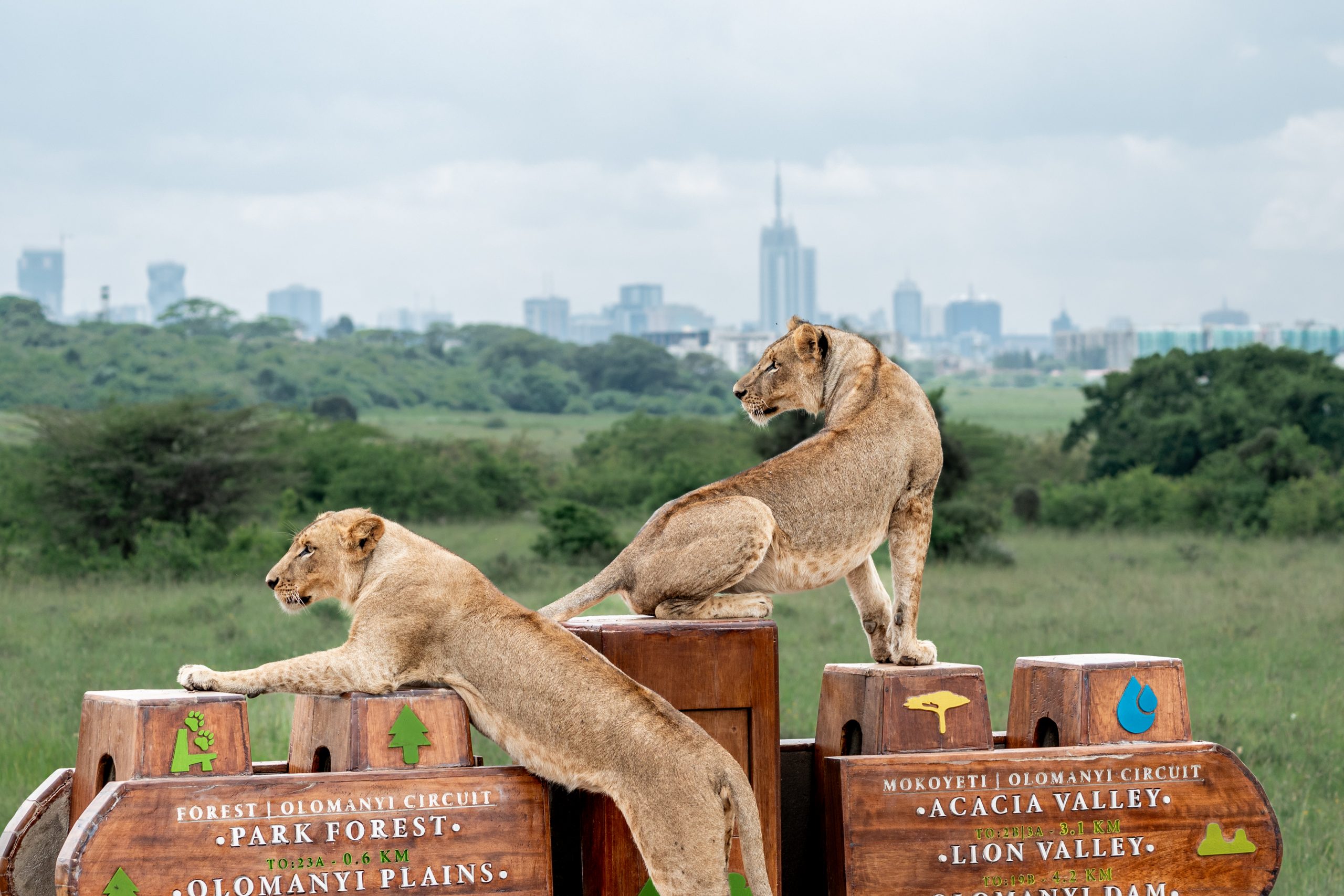
Nairobi National Park
Since the KWS park fee is required for the Nursery visit, some travellers choose to add a game drive before or after the public hour. A game drive after the Nursery is often easier to plan around the fixed visit time.
Nairobi National Park GuideLang’ata attraction
Giraffe Centre
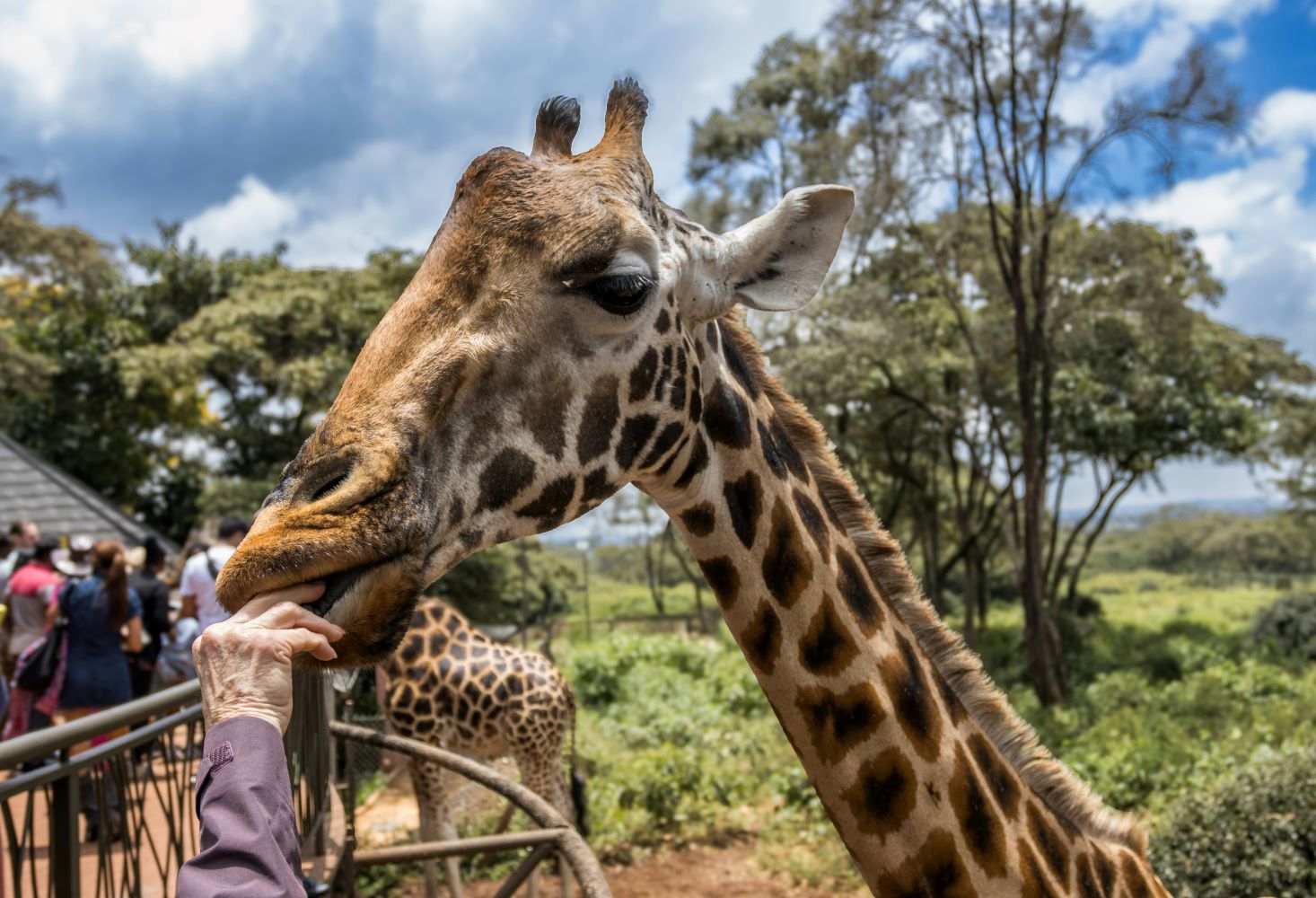
The Giraffe Centre is another popular conservation attraction in the Lang’ata area. It is a separate venue with its own entry arrangements and charges, so allow for road transfers and check its current visitor information.
City experience
Nairobi City Walking Tour
Explore Nairobi’s landmarks, history and city centre on a separate guided walking experience. This is best planned around your available time and transport.
Nairobi City Walking TourNature escape
Karura Forest
For a different side of Nairobi, explore woodland trails, a waterfall and nature paths at Karura Forest.
Karura Forest GuideFrequently Asked Questions
Can I visit the Sheldrick Elephant Orphanage without booking?
No. The public visit is strictly by advance booking. Walk-ins and same-day bookings are not accepted, and you should not travel to the Nursery without an official confirmation.
What time should I arrive?
The public visit runs from 11:00 am to 12:00 noon. The Trust recommends arriving at or before 10:30 am to allow time for KWS gate procedures and the transfer to the Nursery.
Is the Nursery open every day?
The public visit is held daily except 25 December. It is a fixed one-hour session.
Can children visit?
Yes. The Trust has a child donation category for visitors under 12 years. Include each child’s name and age in the booking request. Children must remain with their accompanying adults and follow staff instructions.
Can visitors feed or touch the baby elephants?
No. Feeding and direct interaction are reserved for the trained keepers. Visitors observe from designated viewing areas.
Do I pay Nairobi National Park fees as well?
Yes. KWS requires all Nursery visitors to pay the Nairobi National Park entry fee, even if they are only visiting the Nursery. This is separate from the donation paid to Sheldrick Wildlife Trust.
Can I book through a tour company?
You may arrange transport or tour assistance through an operator, but the Trust states that only its own official booking confirmation is valid for entry. Ask your operator for a copy of that confirmation.
Can I see the elephant I have adopted?
You may see the orphans currently at the Nairobi Nursery during the public visit, but the Trust cannot guarantee that a particular adopted elephant will be there. Elephants move between the Nursery and reintegration units as they grow.
Is Maxwell the rhino part of the public visit?
No. The Trust explains that Maxwell is blind and prefers a quiet life, so he is not available to meet during the public Nursery visit.
Is there food or Wi-Fi at the Nursery?
The Trust says refreshments are not provided and there is no public Wi-Fi. Bring drinking water, but leave snacks and other drinks at home.
Official Visitor Information & Useful Links
- Sheldrick Wildlife Trust – Nairobi Nursery Visiting Information
- Sheldrick Wildlife Trust – Visiting Kenya
- KWS eCitizen – Park Entry Payments
- Kenya Wildlife Service – Nairobi National Park
Visitor rules, payment arrangements and fees can change. Always recheck the Trust’s official Nursery visiting page and the KWS tariff before confirming your travel plans.
Explore More Nairobi Attractions
Nairobi Kenya Information CentreView Attraction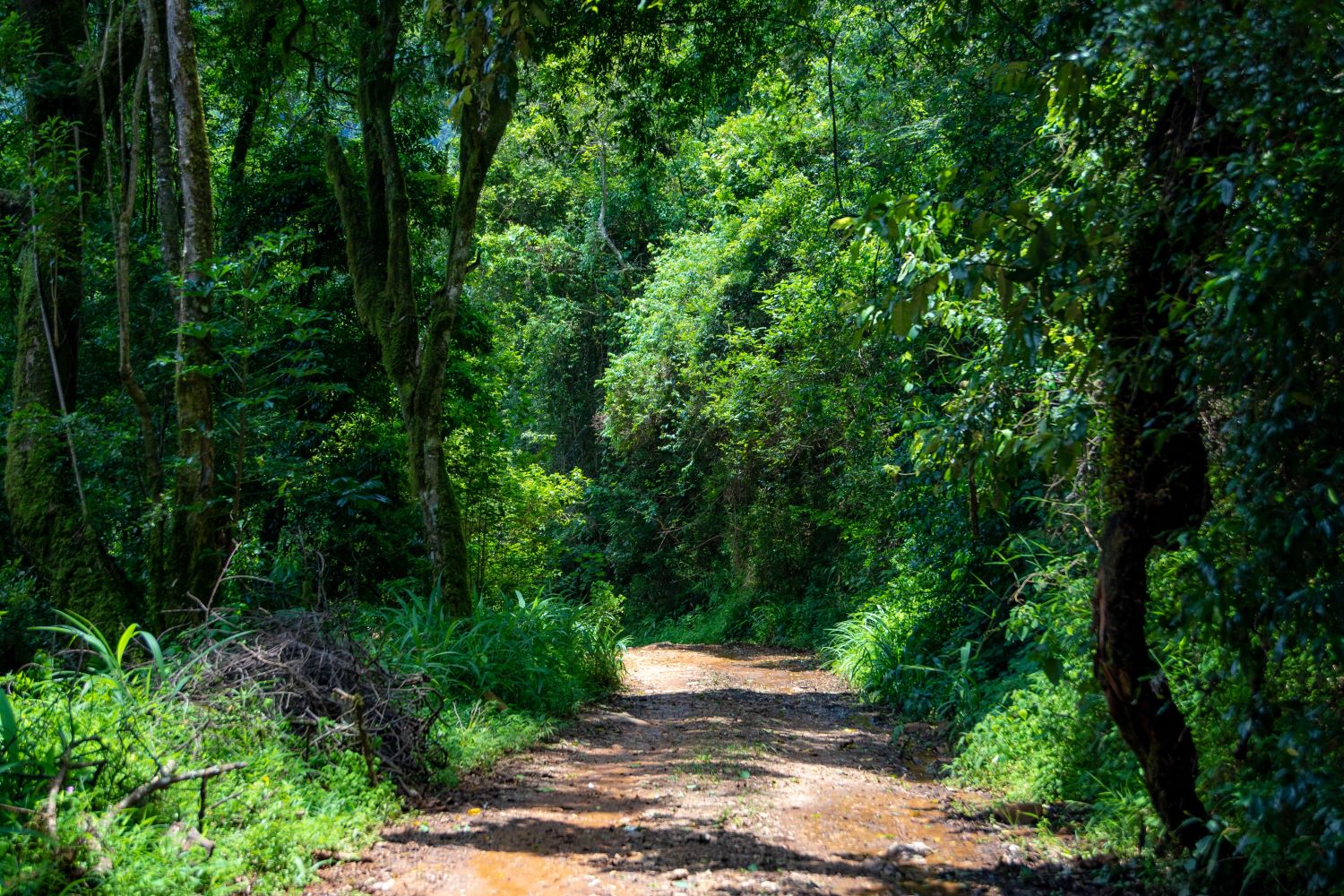 Karura ForestView Attraction
 Giraffe CentreView Attraction
 Nairobi National MuseumView Attraction
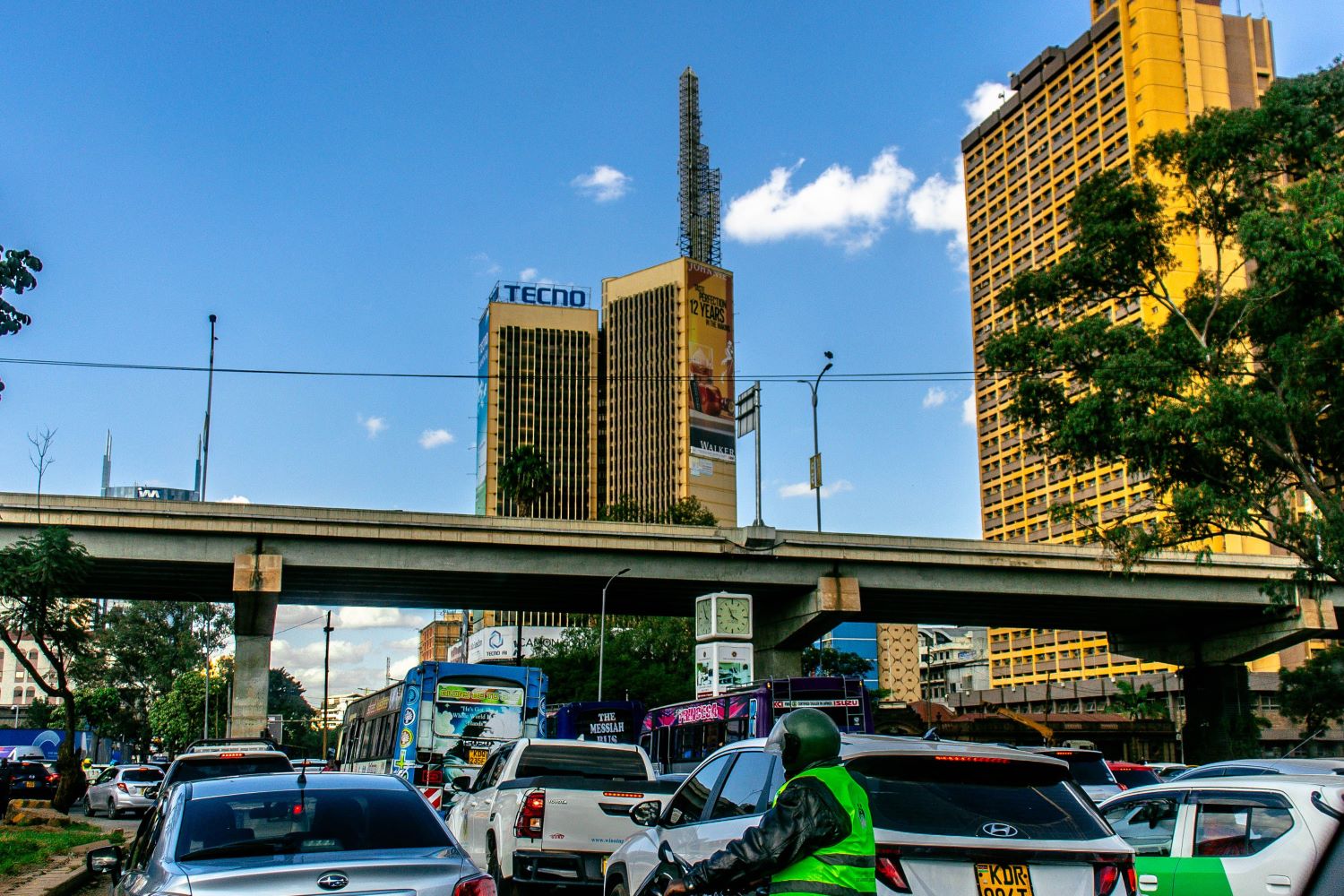 Top Attractions in NairobiView Attraction
 Nairobi National ParkView Attraction