Discover Nairobi
Nairobi is one of Africa’s most distinctive capital cities. It combines a modern commercial centre with wildlife habitats, green spaces, historic sites, museums, markets and a diverse food scene. The city is also an important starting point for trips to the Maasai Mara, Amboseli, Tsavo and other destinations across Kenya, but it deserves time of its own.
This guide brings together Nairobi’s best-known attractions and a few worthwhile additions for visitors interested in nature, conservation, Kenyan history, architecture, culture and everyday city life. Some attractions are within the city, while others—such as Ngong Hills—are popular excursions on the outskirts of Nairobi. Opening hours, access arrangements and admission charges can change, so check the relevant official provider before setting out.
Planning tip: Nairobi traffic can make short distances take much longer than expected. Group attractions by area rather than trying to cross the city several times in one day.
Quick Guide: The Best Attractions in Nairobi
Wildlife & safari
Nairobi National Park
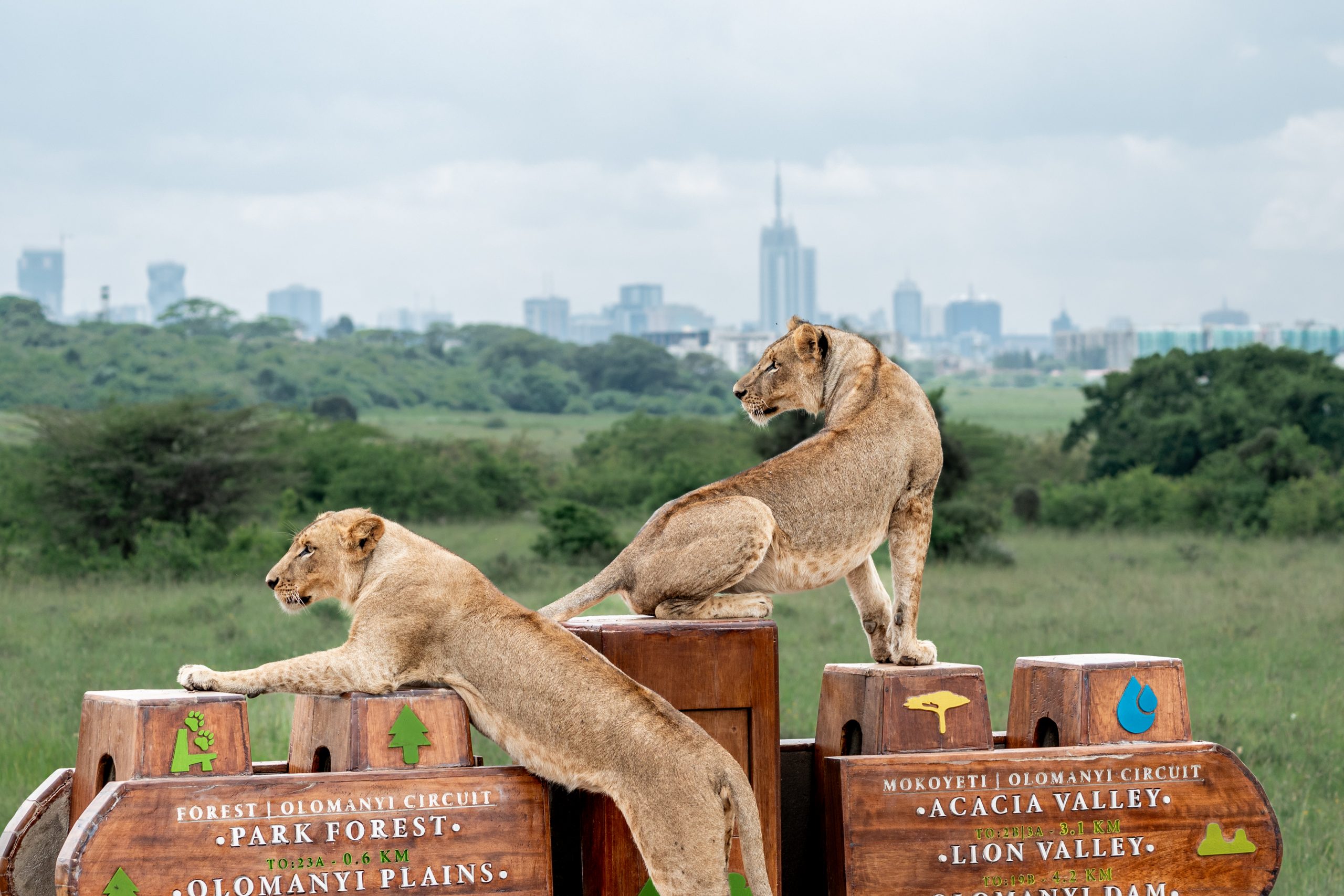
A genuine savannah safari with wildlife roaming against the city skyline. Best for game drives, rhinos, lions, giraffes and birdlife.
Allow 3–5 hours for a focused game drive; longer for a relaxed visit.
Wildlife & conservation
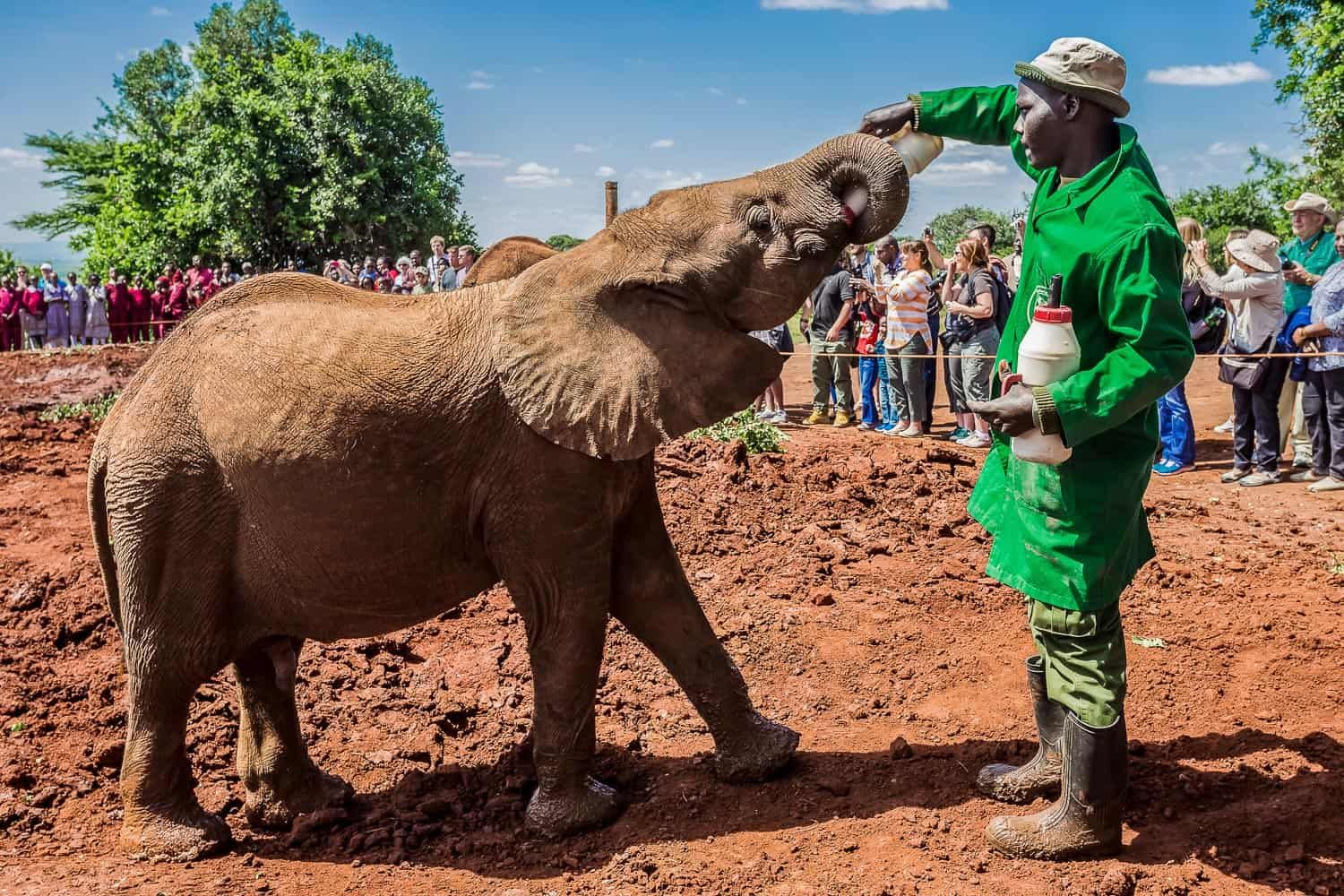
David Sheldrick Wildlife Trust
A memorable, pre-booked nursery visit to learn about the rescue, care and rehabilitation of orphaned elephants.
Public nursery viewing: 11:00 am–12:00 noon, by advance booking only.
Wildlife encounter
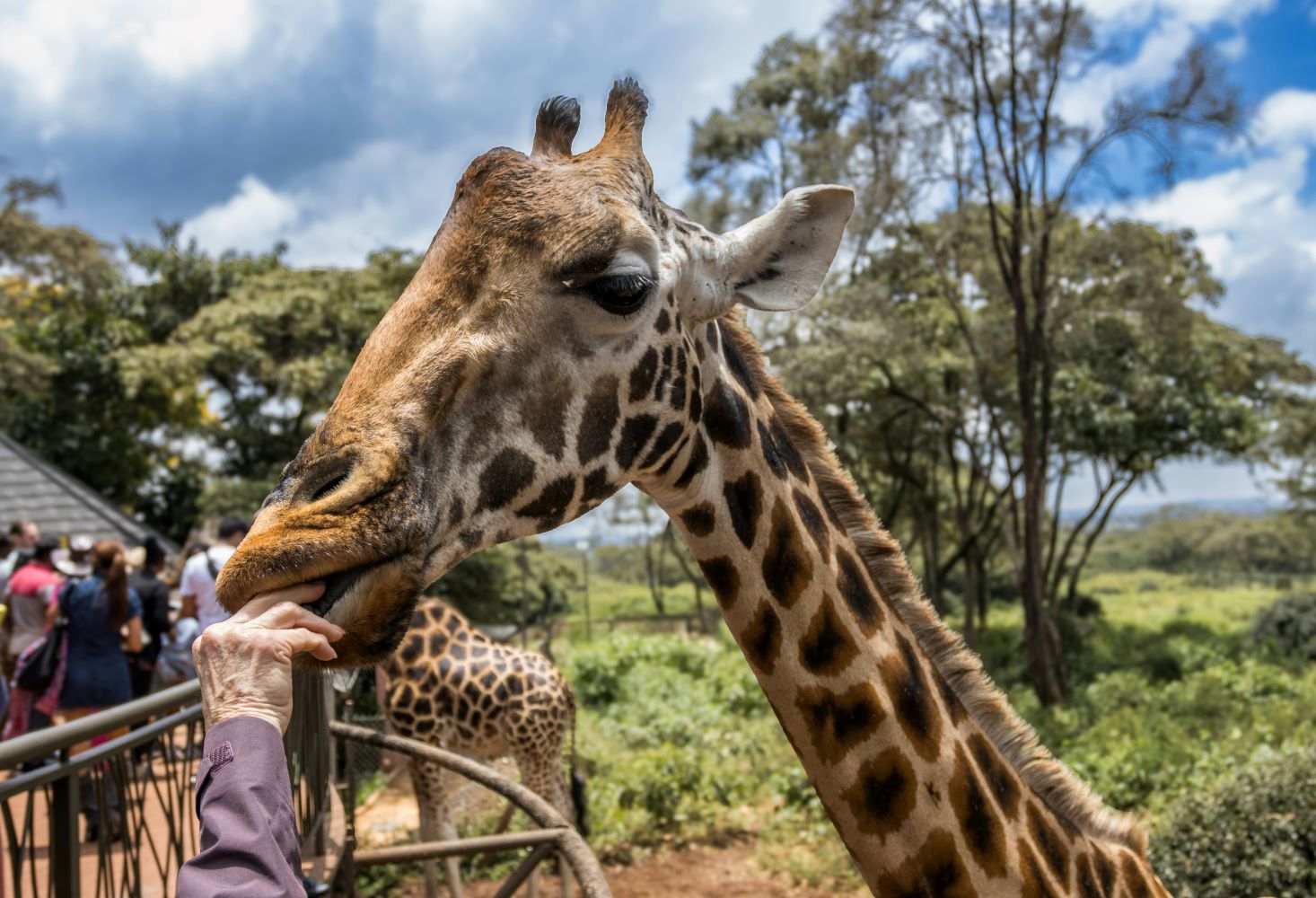
Giraffe Centre
Meet endangered Rothschild’s giraffes at the raised feeding platform and learn about giraffe conservation.
Allow around 1–1.5 hours; open daily 9:00 am–5:00 pm.
Nature & outdoors
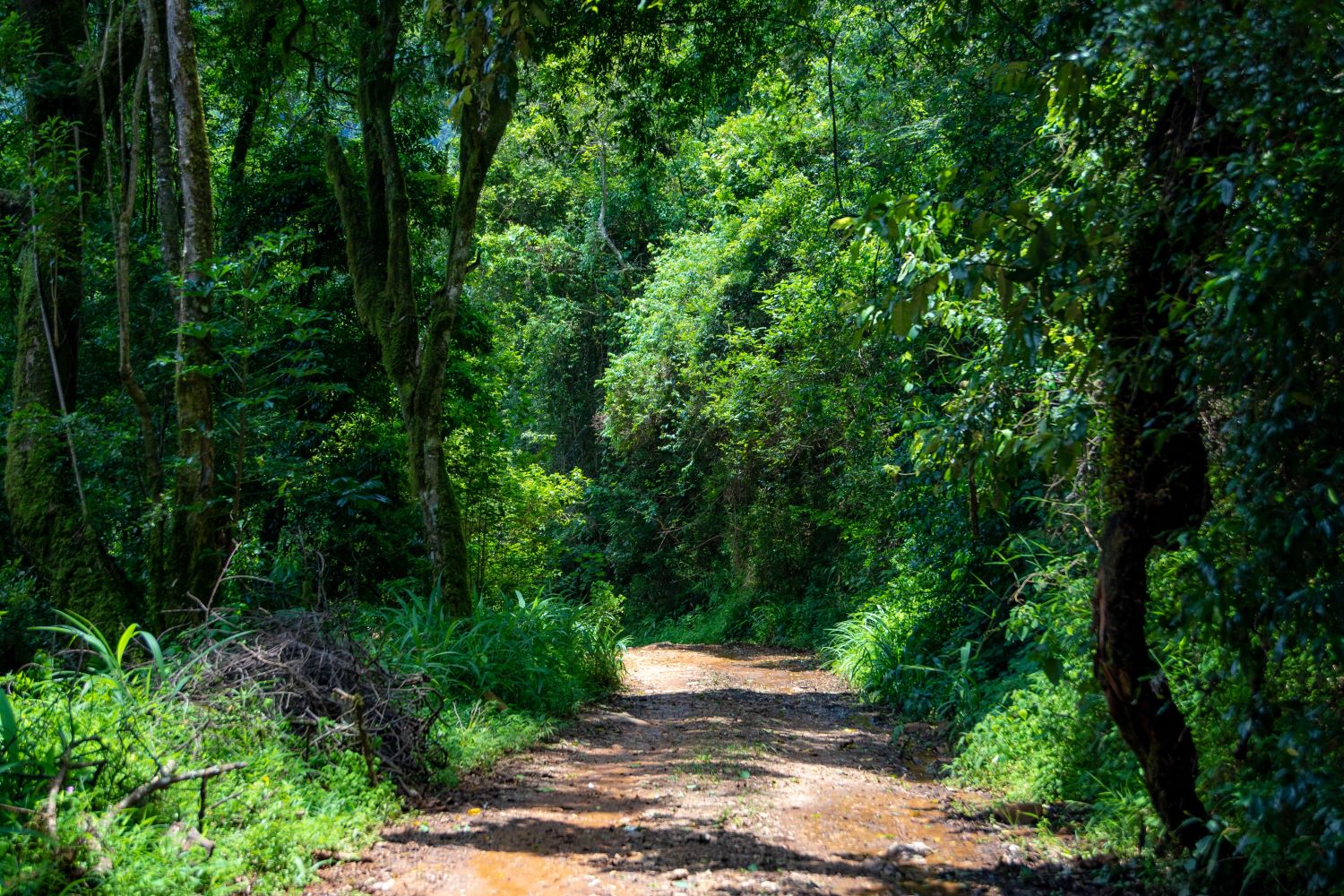
Karura Forest
A large urban forest with walking and cycling routes, waterfalls, caves, picnic sites and birdlife.
Allow 2–4 hours depending on your route and activities.
Culture & history
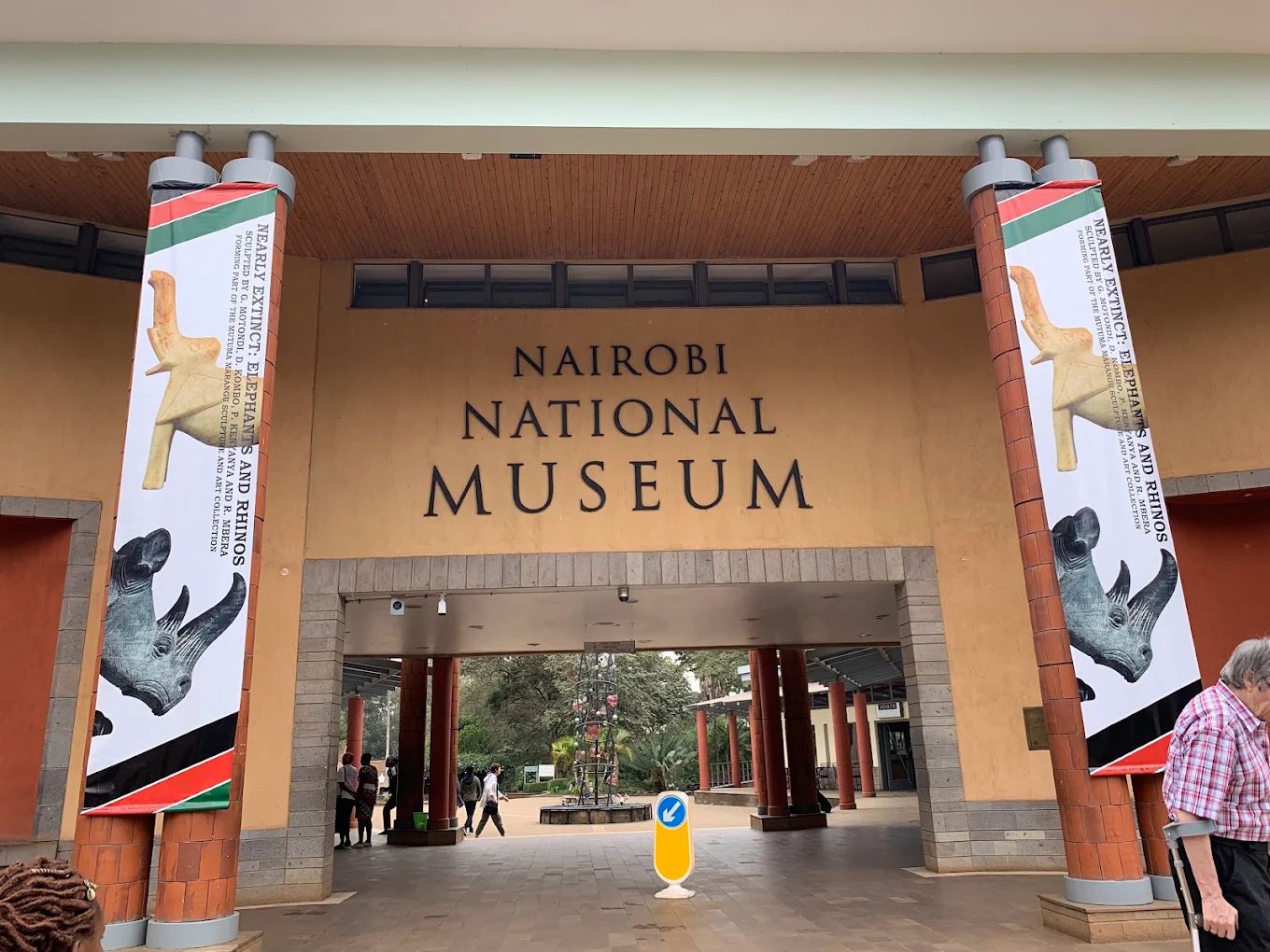
Nairobi National Museum
Explore Kenya’s human origins, natural history, cultural heritage, art and the adjoining Snake Park.
Open daily 8:30 am–5:30 pm.
Kenyan culture
Bomas of Kenya
Discover traditional homestead architecture, music and dance from communities across Kenya.
Check the current performance programme before visiting.
1. Nairobi National Park
A World-Class Safari Inside a Capital City
Nairobi National Park is the city’s signature wildlife attraction and one of the most unusual safari destinations in the world. Located about 10 kilometres from the central business district, the park protects open grassland, acacia woodland, riverine habitats and wetlands with Nairobi’s skyline visible in the distance.
Wildlife includes lions, black and white rhinos, giraffes, buffaloes, zebras, wildebeest, antelopes, hyenas and a wide range of bird species. It is an especially important sanctuary for rhinos. Elephants are not resident in the park, so visitors should not expect to see the full Big Five.
What to See and Do
- Join a morning or afternoon game drive to look for lions, rhinos, giraffes, buffaloes and plains game.
- Visit the Ivory Burning Site Monument, which commemorates a major moment in Kenya’s anti-poaching history.
- Explore designated picnic and viewing sites, following park rules and ranger instructions.
- Enjoy photography of wildlife with the city skyline as a distinctive backdrop.
Location, Hours and Entry
The park is accessed from the Lang’ata Road side and other designated gates. Gates generally operate from 6:00 am to 6:00 pm; visitors on day entry should leave before closing. KWS publishes current entry charges through its official booking channels. The current KWS listing gives adult daily rates of KES 1,000 for East African citizens, KES 1,350 for residents, USD 40 for African citizens and USD 80 for other non-residents; child rates are listed separately and should be checked at booking.
Important: park entry is separate from the cost of a safari vehicle, guide, fuel or private transfer. Book and pay through the official KWS channel, select the correct visitor category and check the current rate before travel.
Best for: First-time visitors, wildlife lovers, photographers and travellers with a short Nairobi stay. Suggested time: 3–5 hours.
Official information: Kenya Wildlife Service – Nairobi National Park.
2. Nairobi Safari Walk
A Convenient Introduction to Kenya’s Wildlife
The Nairobi Safari Walk, located near the Kenya Wildlife Service headquarters along Lang’ata Road, offers a more structured wildlife experience than a game drive. A raised boardwalk passes through habitats representing wetland, savannah and forest environments, with opportunities to observe animals and learn about Kenya’s conservation work.
Depending on animal visibility and current conditions, visitors may see species such as white rhinos, lions, leopards, buffaloes, giraffes, zebras, antelopes, crocodiles and primates. The facility also highlights indigenous trees and provides an accessible outdoor learning experience for families and school groups.
Visitor Information
Allow around 1–2 hours. The Safari Walk is accessed from the Lang’ata Road/KWS headquarters side. KWS currently lists separate admission rates for East African citizens, residents, African citizens and other non-residents; confirm the latest rates and ticketing arrangements on the official Nairobi Safari Walk page.
Good to know: this is a walking attraction on a boardwalk, not a vehicle game drive. Wear comfortable shoes, carry water and supervise children throughout the visit.
Best for: Families, children, visitors with limited time and anyone who wants a closer look at wildlife without taking a full safari drive.
3. David Sheldrick Wildlife Trust Elephant Nursery
A Meaningful Wildlife Conservation Experience
The David Sheldrick Wildlife Trust operates an elephant nursery in Nairobi National Park, rescuing orphaned elephants and giving them specialist care before they are gradually prepared for reintegration into protected wild habitats. The nursery visit offers insight into the work involved in rescuing, raising and rehabilitating young elephants.
The public viewing session normally takes place daily from 11:00 am to 12:00 noon. Visitors may watch the elephants during their mud bath and milk-feeding routine while keepers explain their individual stories and the wider conservation programme.
Booking and Practical Information
- Advance booking is essential. Do not assume walk-in entry will be available.
- Use the Trust’s official visiting page and follow the current booking and payment instructions.
- Arrive early and follow staff guidance on where to stand, photography and interaction.
- The nursery is within Nairobi National Park, so confirm whether separate KWS park entry or other charges apply to your particular booking.
Do not rely on old walk-in information: the Trust operates a controlled, advance-booked visitor system. The nursery viewing session is short and places can be limited.
Best for: Families, conservation-minded travellers and visitors interested in elephant rescue. Suggested time: about 1 hour for the viewing session, plus travel and any park access time.
Official booking information: David Sheldrick Wildlife Trust – Visiting Kenya.
4. Giraffe Centre
Meet the Endangered Rothschild’s Giraffe
The Giraffe Centre in Lang’ata is a conservation and environmental education facility established by the African Fund for Endangered Wildlife. It is best known for its raised feeding platform, where visitors can observe and, under the centre’s supervision, feed Rothschild’s giraffes using approved food pellets.
The centre’s work focuses on conservation education and the protection of the endangered Rothschild’s giraffe. The visit is generally relaxed and suitable for families, although feeding and close encounters must always follow staff instructions.
Opening Hours, Location and Fees
The centre is located on Duma Road in Lang’ata and is open daily, including weekends and public holidays, from 9:00 am to 5:00 pm. Its published FAQ lists admission at KES 400 for resident adults and KES 200 for resident children; non-resident adults KES 1,500 and non-resident children KES 750, with children under three admitted free. The centre accepts M-Pesa and card payments; check its official website for any revised charges before visiting.
Allow 1–1.5 hours. Weekday mornings can be a good choice if you prefer a quieter experience. The Giraffe Centre is often combined with the Sheldrick nursery or Karen Blixen Museum, but allow for traffic and the nursery’s fixed viewing time.
Best for: Families, first-time visitors, wildlife lovers and short visits. Official information: Giraffe Centre FAQs.
5. Nairobi National Museum and Snake Park
The Best Place to Understand Kenya’s Heritage
Located at Museum Hill, the Nairobi National Museum is one of the country’s most important cultural and natural heritage institutions. Its galleries introduce visitors to Kenya’s human origins, archaeology, wildlife, geology, cultures, art and modern history. It is an excellent place to build context before travelling to other parts of the country.
Highlights
- Human Evolution Gallery: fossil discoveries and exhibits exploring human origins and early life in East Africa.
- Natural history: displays about Kenya’s wildlife, birds, habitats and geological diversity.
- Cultural heritage: exhibitions exploring the country’s communities, traditions and history.
- Art and temporary exhibitions: changing displays that introduce Kenyan artists and themes.
- Snake Park: a separate attraction with reptiles and other displays; a combined ticket may be available.
- Gardens and amenities: outdoor spaces, a gift shop and food facilities, subject to current operations.
Opening Hours and Current Admission
The museum is open daily, including public holidays, from 8:30 am to 5:30 pm. From 7 May 2026, the published rates for the Nairobi National Museum are KES 350 adult and KES 200 child for Kenya/East African citizens; USD 9 adult and USD 6 child for residents and rest of Africa; USD 18 adult and USD 9 child for visitors from outside Africa. A combined Museum/Snake Park ticket is also published at KES 600 adult/KES 300 child for Kenya and East African citizens, USD 15/USD 10 for residents and rest of Africa, and USD 25/USD 15 for visitors from outside Africa.
Payment update: National Museums of Kenya states that payment is through eCitizen and that cash is not accepted. Confirm the current ticket category and any applicable platform charges before your visit. Organised night tours may be requested in advance for groups of at least 10 people, subject to availability.
Suggested time: 2–3 hours for the museum, with additional time for the Snake Park. Official information: Nairobi National Museum and National Museums of Kenya rates.
6. Karura Forest
Nairobi’s Urban Wilderness and Green Escape
Karura Forest is a large protected urban forest in northern Nairobi, with indigenous woodland, streams, wetlands, bamboo, picnic sites and an extensive network of walking, running and cycling trails. The forest is also associated with the conservation movement led by Wangari Maathai and the Green Belt Movement, whose campaigns helped protect it from development.
What to Explore
- Waterfalls: scenic river and waterfall areas reached by forest trails.
- Mau Mau caves: historic sites associated with Kenya’s independence struggle.
- Walking and running routes: trails of different lengths for casual visitors and fitness enthusiasts.
- Cycling: designated routes and bicycle hire, subject to availability and separate charges.
- Birdwatching and nature: indigenous trees, butterflies and forest wildlife.
- Picnic areas: designated spaces for a quiet outdoor break.
The forest has several entry gates, including access from Limuru Road, Kiambu Road and the Sigiria side. Choose your gate according to the trail or facility you plan to visit; the entrances are not all close to one another. The published visitor hours are generally 6:00 am to 6:00 pm. Entry charges, payment methods, bicycle hire and other activity fees may change, so confirm with the forest before travelling.
Suggested time: 2–4 hours or longer for an extended walk or cycling outing. Wear proper walking shoes, carry water, use the official map and stay on marked trails.
Official information: Kenya Forest Service – Karura Forest and visitor information for Nairobi’s green spaces.
7. Nairobi Arboretum
A Quiet Green Space Close to the City Centre
The Nairobi Arboretum is a peaceful green space near State House Road, known for its collection of trees, shaded paths, birdlife and open lawns. It is a good choice for a gentle walk, a picnic in permitted areas, photography or a break from Nairobi’s traffic and commercial districts.
Unlike a large forest reserve, the Arboretum is relatively easy to explore during a shorter visit. It is also popular with joggers, families and people looking for an accessible outdoor space close to the city centre.
Hours and Visitor Tips
The Arboretum’s official visitor information states that it is open every day of the year from 6:00 am to 6:15 pm. Payments are made through the listed electronic or card channels rather than cash. Entry charges may change, so check the official visitor page for the current tariff. Bring comfortable shoes, water and binoculars if you are interested in birdwatching.
Suggested time: 1–2 hours. Official information: Nairobi Arboretum – Visitor Information.
8. Ngong Hills
Panoramic Views and Outdoor Hiking
Ngong Hills, southwest of Nairobi, are a popular hiking excursion for visitors who want open landscapes, fresh air and wide views towards the Great Rift Valley and the Nairobi region. The distinctive line of hills offers a rewarding outdoor experience and a different perspective from the city’s built-up neighbourhoods.
The route follows exposed ridgelines and can be windy, sunny or cool depending on the weather. It is not a casual city pavement walk: choose a route that matches your fitness, carry sufficient water and consider going with a reputable local guide or organised group, especially if unfamiliar with the area.
Planning Your Hike
- Start early to avoid the strongest midday sun and allow enough time to finish before the afternoon.
- Wear sturdy walking or hiking shoes and carry water, snacks, sun protection and a light weather layer.
- Check current access, security guidance, entry charges and any ranger or guide requirements before travelling.
- Do not hike alone in isolated areas; follow local guidance and remain with your group.
Suggested time: Half a day, depending on the route and pace. Ngong Hills are outside central Nairobi and should be planned as a separate excursion rather than squeezed between CBD attractions.
9. Karen Blixen Museum
A Glimpse into Kenya’s Colonial-Era History
The Karen Blixen Museum is the former farmhouse of Danish author Karen Blixen, best known for her memoir Out of Africa. Set at the foot of the Ngong Hills in the leafy Karen neighbourhood, the house and grounds offer insight into the author’s life, the area’s coffee-farming history and a particular period of Kenya’s past.
Visitors can explore rooms furnished with period pieces and objects associated with the farmhouse, learn about the history through guided interpretation and walk around the grounds, where old farm equipment and views towards the Ngong Hills add to the experience.
Visitor Information
The National Museums of Kenya lists the museum as open daily from 8:30 am to 5:30 pm. Admission is subject to the current NMK tariff and visitor category; payment is through eCitizen under the current museum payment guidance. Allow around 1–1.5 hours. It combines well with the Giraffe Centre, Kazuri Beads and other Karen-area stops.
Official information: National Museums of Kenya – Karen Blixen Museum.
10. Bomas of Kenya
Experience Kenya’s Traditional Music, Dance and Architecture
Bomas of Kenya is a cultural centre in Lang’ata that showcases the diversity of Kenya’s communities through traditional homestead displays, music, dance and cultural performances. The word “boma” refers to a homestead or enclosure, and the centre’s village displays introduce visitors to different architectural styles and ways of life from around the country.
One of the main reasons to visit is the live cultural performance programme, which may feature traditional songs, dance, drumming and acrobatic presentations. The programme and performance times can vary, so check the current schedule before travelling rather than relying on old online timetables.
Best for: Visitors interested in Kenyan culture, families, school groups and first-time visitors who want a broad introduction to the country’s cultural diversity. Allow 2–3 hours depending on the performance schedule. Confirm current opening hours, admission and show times directly with Bomas of Kenya.
11. Nairobi Railway Museum
Discover the Railway Story Behind Nairobi
The Nairobi Railway Museum explores the history of the railway that helped shape the growth of Nairobi and connected the interior of East Africa to the coast. Its collection includes historic locomotives, railway equipment, photographs and other objects that tell the story of railway construction, operations and the people connected to the line.
The museum is a worthwhile stop for visitors interested in transport, engineering, colonial-era history and the development of the city. Allow around 1–2 hours, and check current opening arrangements and ticketing before setting out.
Official information: Kenya Railways. Access and displays may be affected by maintenance or operational arrangements, so confirm directly before visiting.
12. Nairobi Gallery
Art and Heritage in a Historic City Landmark
The Nairobi Gallery is a small museum and exhibition space in the city centre, housed in a historic building near the junction of Kenyatta Avenue and Uhuru Highway. The building is known for its distinctive architecture and its former role as a colonial-era administrative landmark. Today, it hosts exhibitions and displays connected with art and heritage.
It is an easy addition to a guided CBD walk, especially for visitors interested in architecture, local art and Nairobi’s history. Exhibition availability and opening arrangements can vary, so check with the National Museums of Kenya before planning a visit.
Official information: National Museums of Kenya.
13. Kenyatta International Convention Centre (KICC)
An Iconic Landmark in Nairobi’s Skyline
The Kenyatta International Convention Centre is one of Nairobi’s most recognisable buildings. Its distinctive cylindrical tower and rooftop helipad make it a familiar feature of the central business district skyline. The complex is an important venue for conferences, exhibitions and national events.
When public access is available, the rooftop viewing area offers elevated views across the city and is a popular stop for photography. Access may be affected by conferences, official functions, security procedures or maintenance, so check visitor access and any charges before making a special trip.
Best for: City views, architecture and visitors exploring the CBD. Combine it with the Nairobi Gallery, City Market, Kenya National Archives and a guided city walk.
14. Uhuru Gardens Memorial Park
A National Monument and Public Heritage Space
Uhuru Gardens, along Lang’ata Road, is a national monument and memorial space associated with Kenya’s independence. The site commemorates the raising of the national flag at independence and includes monuments and landscaped grounds that reflect important moments in the country’s history.
It offers a different kind of visit from Nairobi’s wildlife and nature attractions, with a focus on national heritage and remembrance. Check current access arrangements, opening hours and any visitor requirements before going, as public access can be subject to official events and security arrangements.
15. Nairobi City Centre, Markets and Local Food
Experience the Energy of Everyday Nairobi
A guided walk through central Nairobi is one of the best ways to understand the city beyond its headline attractions. The CBD brings together historic buildings, busy streets, public spaces, religious landmarks, shops, markets and the everyday movement of the capital.
Places and Experiences to Look Out For
- Kenya National Archives: a central landmark with historical collections and cultural displays; check current public access.
- City Market: a long-established market known for crafts, souvenirs, flowers and fresh produce.
- Maasai Market: a rotating open-air craft market where visitors can browse beadwork, textiles, carvings and souvenirs. Its location and operating day vary, so confirm the current schedule.
- Local food: sample nyama choma, nyama stew, ugali, sukuma wiki, pilau, chapati and other Kenyan favourites at reputable restaurants.
- Kenyan coffee: visit a local café to experience the country’s coffee culture and specialty coffee scene.
A guided city walk can help with context, navigation and local etiquette. In busy market areas, agree prices before purchasing, keep valuables secure and ask before photographing people or their stalls.
Best for: Culture lovers, food enthusiasts, photographers and travellers who want to experience Nairobi’s daily life.
Other Attractions and Experiences Worth Considering
Nature
Ololua Nature Trail
A forested outdoor escape in the Karen area, with walking routes and natural scenery. Check access, trail conditions and current visitor arrangements before going.
Nature
Ngong Road Forest
An urban forest landscape with nature trails and outdoor recreation opportunities. Confirm which access points and facilities are currently open.
Shopping & leisure
Village Market & Two Rivers
Large lifestyle and shopping destinations in the Gigiri/Ruaka area, with restaurants, shops and family entertainment options.
Arts & culture
Local Galleries and Creative Spaces
Nairobi has a growing arts scene. Check current exhibitions and event listings at galleries and cultural centres before visiting.
Suggested Nairobi Itineraries
One-Day Wildlife Highlights
- Start early with a morning game drive in Nairobi National Park.
- Visit the David Sheldrick Wildlife Trust nursery only if you have secured an advance booking for the 11:00 am–12:00 noon session and can meet its arrival requirements.
- Continue to the Giraffe Centre in Lang’ata, subject to opening hours and traffic.
This combination requires careful timing. The elephant nursery has a fixed viewing window and advance booking. Depending on the park gate, traffic and your booking instructions, it may be better to split the park game drive and Karen-area attractions across two days.
Two-Day Nairobi Explorer
- Day 1 – Wildlife: Nairobi National Park, Nairobi Safari Walk or the Sheldrick nursery, then Giraffe Centre.
- Day 2 – Culture and city: Nairobi National Museum, Nairobi Gallery, KICC and a guided CBD walk or local market visit.
Nature-Focused Visit
- Spend a morning exploring Karura Forest.
- Visit Nairobi Arboretum for a shorter woodland walk or picnic.
- Plan a separate half-day hike to Ngong Hills if you have the time and suitable transport.
Karen Heritage and Culture Day
- Visit Karen Blixen Museum in the morning.
- Explore the Giraffe Centre or another nearby conservation attraction.
- Finish with Bomas of Kenya if the performance schedule aligns with your day.
Practical Tips for Visiting Nairobi Attractions
- Plan by neighbourhood: Karen and Lang’ata attractions can be grouped together; Museum Hill and the CBD can be combined; Karura and the Arboretum are better treated as separate green-space stops.
- Allow for traffic: travel times vary substantially by time of day. Avoid booking tightly timed attractions back-to-back across opposite sides of the city.
- Book in advance: the Sheldrick nursery requires advance booking. Check performance schedules for Bomas and special access arrangements for museums and landmarks.
- Check admission categories: citizen, resident, African citizen and non-resident rates may differ. Carry the relevant identification or residence documentation.
- Use official payment channels: some attractions have moved to eCitizen or cashless payment. Confirm the method before arrival.
- Dress for the activity: comfortable shoes for museums and city walks; proper walking shoes for forests and hills; sun protection for outdoor attractions.
- Stay aware in the city: use reputable transport, keep valuables out of sight, avoid isolated streets after dark and follow local guidance in crowded areas.
- Respect wildlife: never feed or touch wild animals unless an attraction explicitly permits a supervised interaction, and follow staff instructions.
Frequently Asked Questions About Nairobi Attractions
Is Nairobi worth visiting?
Yes. Nairobi offers a distinctive mix of wildlife, conservation, museums, culture, green spaces, markets and city experiences. It is worth allowing time to explore rather than treating it only as a transit point.
How many days do I need to see Nairobi’s main attractions?
Two to three days is a good starting point for a selection of the major wildlife, cultural and nature attractions. A longer stay allows a more relaxed pace and time for excursions such as Ngong Hills.
Can I visit Nairobi National Park, Sheldrick Elephant Nursery and Giraffe Centre in one day?
It can be possible with careful planning, but it is not always comfortable. The nursery viewing session is fixed at 11:00 am–12:00 noon and must be booked in advance. Traffic and park access time can affect the schedule. Two days may provide a better experience.
What are the best attractions for children?
Nairobi Safari Walk, Giraffe Centre, Nairobi National Museum, the Snake Park, Karura Forest and Bomas of Kenya are popular family options. Check age guidance, access and current programmes before visiting.
Which Nairobi attractions are free?
Some public spaces and neighbourhood walks may be free to enter, but access rules can change and certain events or facilities may charge. Most wildlife centres, museums and managed attractions have admission fees.
Is Nairobi safe for sightseeing?
Many visitors explore Nairobi safely by planning transport, using reputable guides and operators, keeping valuables discreet and avoiding isolated areas after dark. Follow current local advice and attraction-specific safety instructions.
What is the best time of year to visit Nairobi?
Nairobi attractions can be visited throughout the year. Outdoor plans are more comfortable when weather and trail conditions are favourable. During rainy periods, allow for slower traffic and muddy trails; for wildlife viewing, early morning is often a good time to visit Nairobi National Park.
Do attraction fees include transport?
No. Admission fees generally cover entry to the attraction only. Transport, guiding, game-drive vehicles, parking, meals and optional activities may be charged separately. Confirm what is included when booking a tour.
Explore More Nairobi Attractions
Explore our dedicated visitor guides for more information, practical tips and ways to experience Nairobi’s top attractions.