 Nairobi Kenya Information CentreView Attraction
Discover Karura Forest
Karura Forest is a large urban forest reserve in northern Nairobi, covering approximately 1,041 hectares. It is a welcome contrast to the city’s busy roads and commercial districts, with indigenous woodland, bamboo, streams, wetlands and open spaces connected by a network of walking and cycling trails.
The forest is managed through a partnership involving the Kenya Forest Service and the Friends of Karura Forest. Visitors come for exercise, nature, birdwatching, family outings and a quiet break from the city.
Good to know: Karura is a forest reserve, not a wildlife park. The experience is centred on walking, cycling, nature observation and conservation rather than vehicle-based game drives.
Location & How to Get There
Karura Forest is located north of Nairobi’s central business district, with access points along Limuru Road, Kiambu Road and the Thigiri side. Your best entrance depends on the activity you have planned and the part of the forest you want to explore.
Main entrance
Limuru Road – Gate A
A popular entry point near the Belgian Embassy. It provides access to the forest’s main facilities and the KFEET Centre area.
Northern access
Kiambu Road – Gate C
Also known as Sharks Gate, this entrance is useful for visitors accessing northern forest trails and designated cycling routes.
Other access points
Old Kiambu & Sigiria
Other official access points serve different sections of the reserve, including the Sigiria block. Check the current forest map and gate status before setting out.
Getting there
Taxi or Public Transport
Ride-hailing or a pre-arranged taxi is convenient for visitors. Public transport routes serve the Limuru Road and Kiambu Road approaches; confirm the correct stage and gate before boarding.
The forest is extensive and its gates are not interchangeable. Choose your entrance based on the trail, activity or facility you plan to visit rather than assuming you can quickly walk between distant gates.
What to See in Karura Forest
Popular natural attraction
Karura Waterfall
A scenic waterfall along the forest’s river system and one of the best-known stops for visitors. Allow time for the walk to and from the waterfall, and take care on wet or uneven ground.
History & heritage
Mau Mau Caves
The caves are associated with Kenya’s struggle for independence and are remembered as places used by freedom fighters. Treat the site respectfully and follow any access guidance or restrictions in place.
Forest landscape
Bamboo Groves & Woodland
Explore sections of indigenous trees, bamboo and shaded forest paths. The changing vegetation gives different parts of Karura their own atmosphere.
Water & birdlife
Rivers, Wetlands & Lily Lake
Waterways and wetland habitats attract birds and other wildlife. The old quarry pond known as Lily Lake is another point of interest within the forest.
Conservation heritage
Historic Incinerator
The old chimney incinerator was formerly used by the Central Bank of Kenya to destroy decommissioned currency. It is one of the forest’s unusual historic features.
Nature observation
Birds & Small Wildlife
Look out for forest birds, butterflies, Sykes’ monkeys, bushbucks and other small mammals. Sightings are never guaranteed, so move quietly and observe from a respectful distance.
Walking, Running & Cycling Trails
Karura has an extensive network of marked paths and forest tracks. The Friends of Karura Forest trail information identifies colour-coded walking and running routes of approximately 5 km, 10 km and 15 km. Junction markers on the ground correspond with the official forest map.
| Trail | Colour | Suitable for |
|---|---|---|
| Approx. 5 km | Yellow | A shorter walk or run, depending on pace and route conditions. |
| Approx. 10 km | Blue | A longer outing for visitors comfortable with several kilometres of walking. |
| Approx. 15 km | Green | A more extended walk or run; allow enough time to complete the route before closing. |
Mountain Biking
Designated cycling trails make Karura a popular destination for mountain biking. Bike hire has operated from several points in the forest, including the KFEET area and selected gates. Availability, hire charges, operating hours and bike sizes can change, so confirm directly with the forest before travelling. Use only permitted cycling routes and give walkers and runners plenty of room.
Guided Nature Walks
A guided walk can add context to the forest’s ecology, history and conservation work. It can also help first-time visitors navigate the trails and identify notable features. Ask Home & Away Destinations about arranging a visit or guided experience.
Plan your route: consult the official Karura Forest map before setting out. Carry a map or keep a copy accessible, note your entry gate and junction numbers, and allow time to return before closing.
Entry Fees, Payment & Opening Hours
Karura Forest is generally open daily from 6:00 am to 6:00 pm. The Friends of Karura Forest visitor information states that the last entry is before closing time and that all visitors must leave before the gates are locked. Allow enough time for your chosen trail and do not begin a long walk late in the afternoon.
Entry charges and payment arrangements have changed in recent years. The published Friends of Karura tariff notice lists base daily entry rates in Kenya shillings as follows; VAT and the eCitizen convenience charge may apply to the amount paid:
| Visitor category | Adult | Child under 13 |
|---|---|---|
| Kenyan citizen | KES 100 | KES 50 |
| Kenya resident | KES 200 | KES 100 |
| Non-resident | KES 600 | KES 300 |
Important fee notice: these are the base amounts shown on the published tariff notice effective 1 July 2024, not a guaranteed final amount at the gate. Friends of Karura reported in December 2025 that daily entry payments were being processed at the gates through eCitizen, with VAT and a prorated platform fee. Confirm the current payable total and accepted payment method with the forest before your visit. Do not rely on older third-party fee tables.
Parking, bicycle hire, picnics, guided activities and other services may be charged separately. Entry does not automatically include bike hire or other activities.
Best Time to Visit Karura Forest
Best time of day
- Early morning: cooler conditions, quieter paths and good opportunities for birdwatching and exercise.
- Mid-morning: suitable for relaxed walks, family visits and exploring the waterfall.
- Afternoon: can be pleasant, but plan your route carefully and leave enough time to exit before closing.
Seasons
The forest can be visited throughout the year. During the rainy seasons, vegetation is lush and streams may be fuller, but some paths can become muddy or slippery. In drier periods, trails are often easier to walk and cycle. Weather can change, so carry a light rain layer when appropriate.
Visitor Guidelines & Safety
Karura is a natural forest environment. Stay on designated trails and follow instructions from forest staff and rangers.
- Visit during official opening hours and keep track of the time needed to return to your gate.
- Stay on marked paths and use the forest map to navigate unfamiliar sections.
- Do not feed, chase, touch or attempt to approach wildlife.
- Give animals space and allow them to move away before continuing.
- Do not litter, pick plants, remove natural materials or damage trees and other features.
- Keep noise to a minimum and respect other forest users.
- Do not light fires, use fireworks or play loud music.
- Wear comfortable closed shoes, carry drinking water and take care on wet rocks, roots and uneven ground.
- If cycling, use designated tracks, ride at a controlled speed and alert walkers before overtaking.
Visiting with Dogs
Dog access is subject to forest rules. Dogs must be registered as required, have up-to-date vaccinations and remain on a leash except in specifically designated off-leash areas. Confirm current dog-entry requirements before bringing a pet.
What to Bring
For a Forest Walk
- Comfortable walking shoes
- Drinking water and light snacks
- Hat, sunscreen and insect repellent
- Light rain jacket when needed
- Phone with the forest map saved
For Nature & Photography
- Camera or smartphone
- Binoculars for birdwatching
- Small day bag
- Spare phone battery or power bank
- Quiet, neutral-coloured clothing
How Long Should You Spend in Karura?
A short visit may take around one to two hours, while a walk to the waterfall and other forest highlights can take several hours depending on your starting gate, walking pace and route. Longer trails and cycling outings require more time. If you are visiting for the first time, avoid trying to cover the entire forest in one trip.
Karura Forest & Nairobi National Park
Karura Forest and Nairobi National Park offer two very different ways to enjoy Nairobi’s natural environment. Karura is best explored on foot or by bicycle, among trees, rivers and forest wildlife. Nairobi National Park is a savannah ecosystem experienced primarily through a vehicle-based game drive.
| Karura Forest | Nairobi National Park |
|---|---|
| Forest walks, running and cycling | Vehicle-based wildlife game drives |
| Woodland, rivers, caves and waterfall | Savannah plains, wetlands and open grassland |
| Relaxed nature outing and exercise | Wildlife viewing, including larger mammals and rhinos |
| Choose a trail and explore at your pace | Explore with a safari guide or self-drive where permitted |
Frequently Asked Questions
Is Karura Forest worth visiting?
Yes. It is one of Nairobi’s best places for a nature break, with walking and cycling trails, a waterfall, caves, birdlife and picnic areas.
Can I visit Karura Forest without a guide?
Yes. Visitors can explore independently, but should use the official map, stay on marked routes and keep track of their entry gate. A guide can be helpful for first-time visitors or those interested in the forest’s history and ecology.
Can I cycle in Karura Forest?
Yes, cycling is available on designated routes. Bike hire availability and charges should be confirmed before your visit.
Are there animals in Karura Forest?
Yes. The forest supports birds, butterflies and small mammals, including monkeys and bushbucks. It is not a safari park and wildlife sightings are not guaranteed.
What time does Karura Forest close?
The published visitor hours are 6:00 am to 6:00 pm. The forest’s visitor guidance says all visitors should exit before the gates are locked. Check the latest notice before visiting.
Can children visit Karura Forest?
Yes. It is a popular family destination. Choose a route suitable for the children’s ages and walking ability, supervise them near water and uneven ground, and carry sufficient drinking water.
Can I have a picnic in Karura Forest?
Picnics are allowed in designated areas and may attract a separate charge. Use the approved picnic sites and take all rubbish away with you.
Explore More Nairobi Attractions
Nairobi Kenya Information CentreView Attraction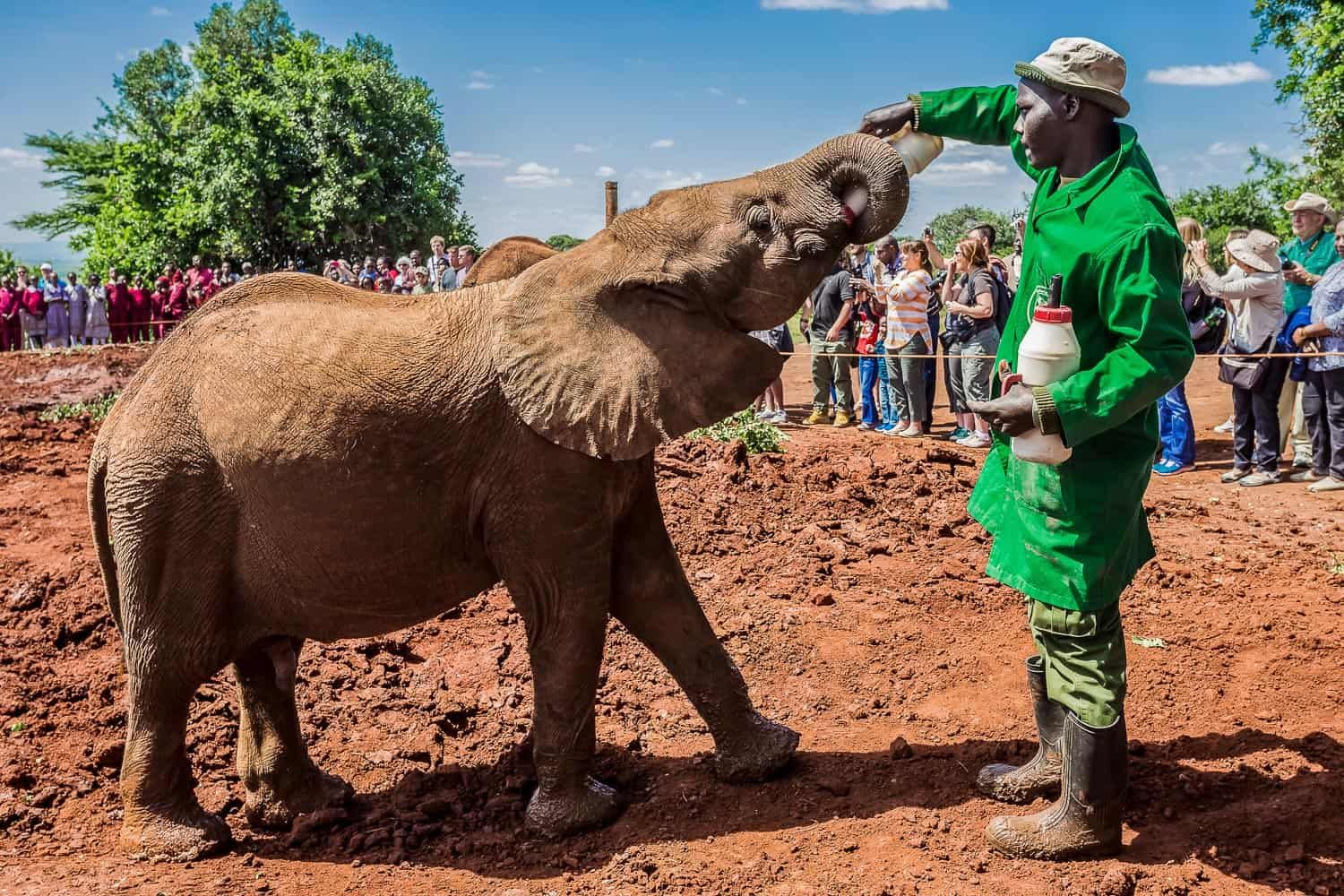 David Sheldrick Wildlife TrustView Attraction
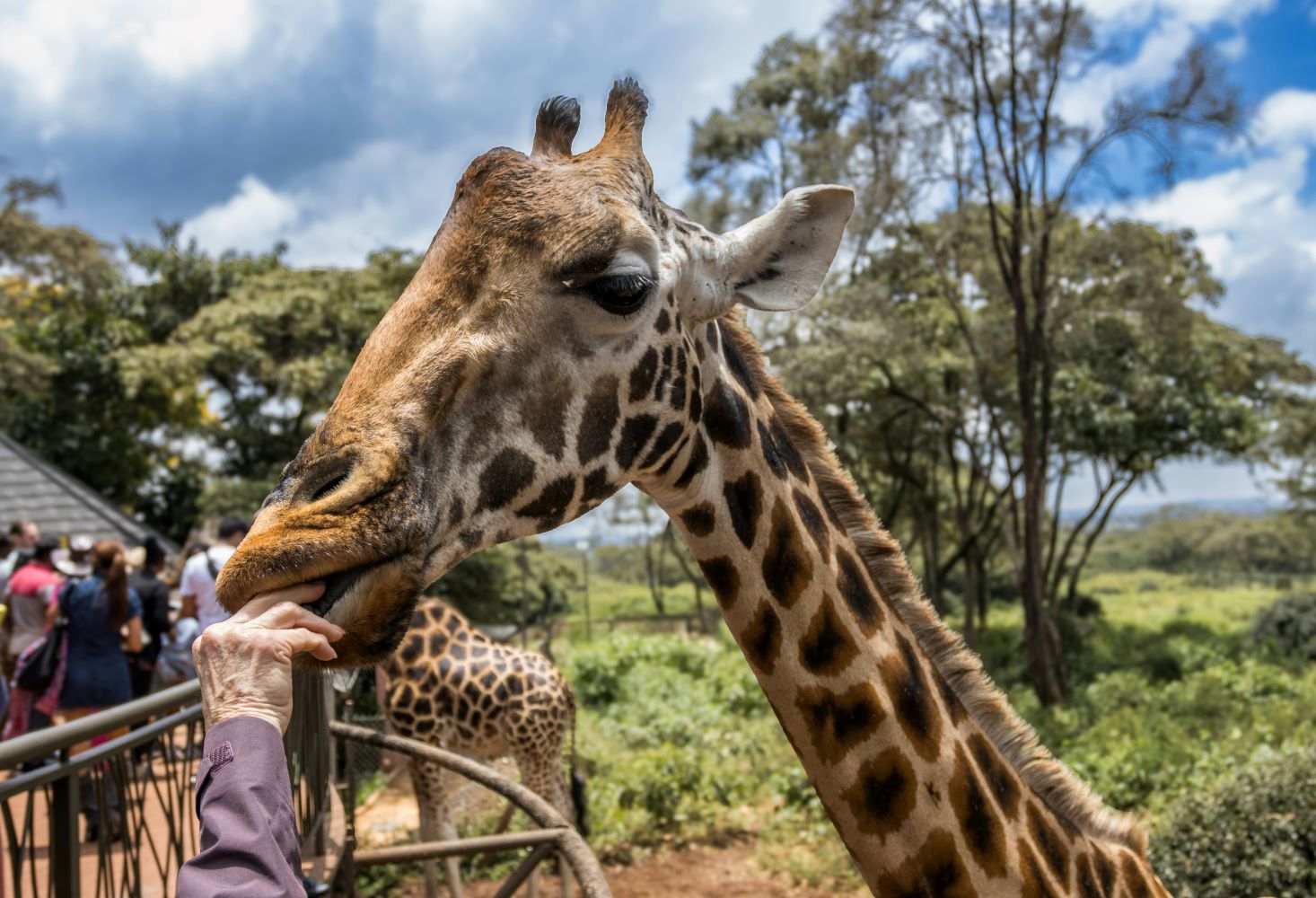 Giraffe CentreView Attraction
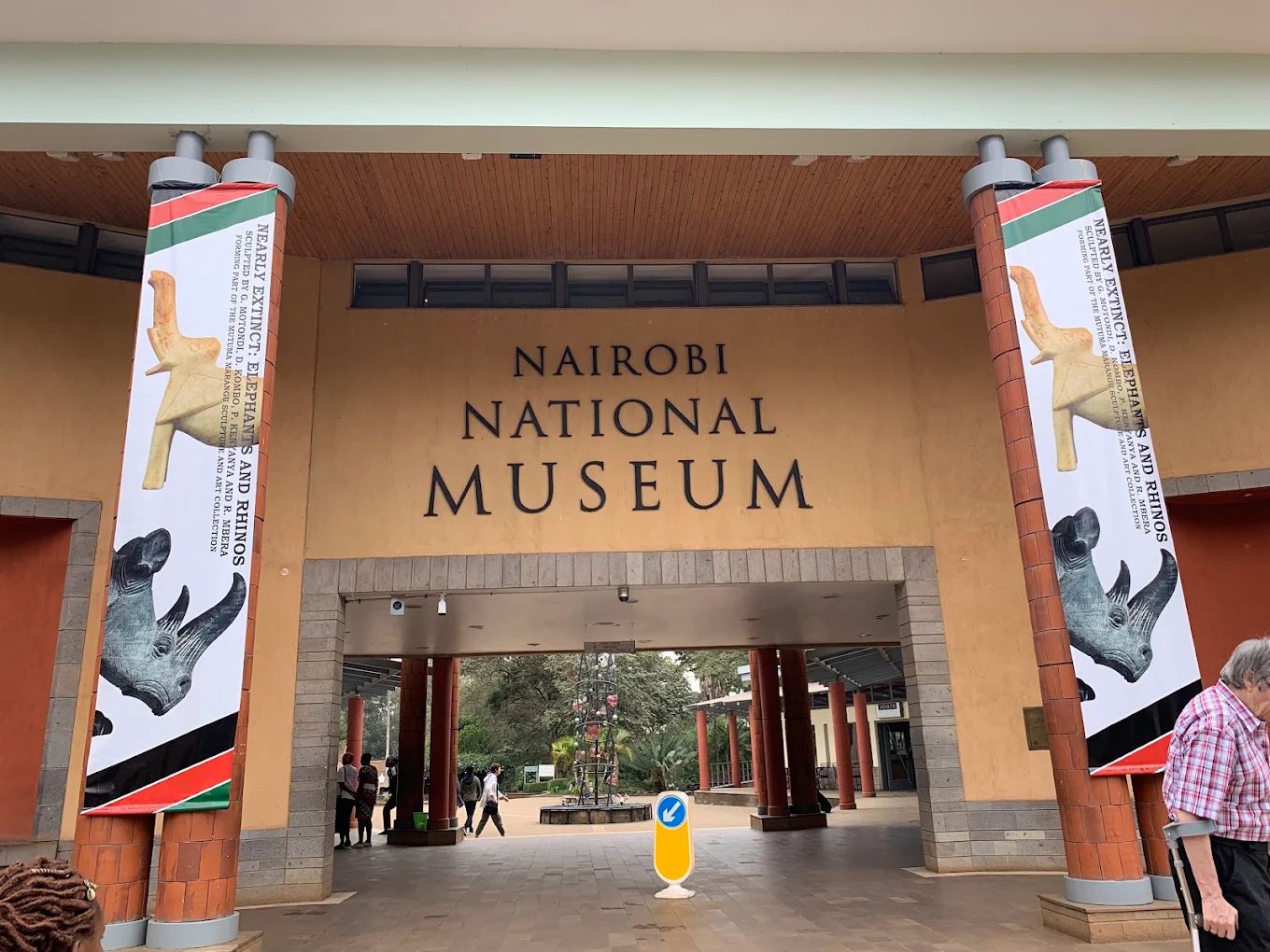 Nairobi National MuseumView Attraction
 Top Attractions in NairobiView Attraction
 Nairobi National ParkView Attraction