 Nairobi Kenya Information CentreView Attraction
Discover Nairobi National Museum
Nairobi National Museum is Kenya’s flagship museum and one of the country’s most important centres for interpreting natural and cultural heritage. Managed by the National Museums of Kenya (NMK), it brings together collections and exhibitions that help visitors understand Kenya’s landscapes, wildlife, communities, archaeology and history.
The museum is more than a collection of displays. It is also part of a national institution involved in research, conservation, education and the preservation of Kenya’s heritage. For visitors, it offers valuable context before exploring the country’s national parks, historic towns and diverse communities.
Why include it in your Nairobi itinerary? The museum provides a broad introduction to Kenya in one location, making it especially worthwhile for first-time visitors, families, students and anyone interested in the country beyond its safari destinations.
Location & How to Get There
The museum is located at Museum Hill, along Kipande Road, just north-west of Nairobi’s central business district. It is a short drive from the city centre, although journey times can vary considerably with traffic.
Location
Museum Hill
The museum sits in a landscaped compound on Museum Hill, within easy reach of Nairobi CBD, Westlands and other central neighbourhoods.
Ride-hailing
Taxi, Uber or Bolt
Ride-hailing or a pre-arranged taxi is convenient. Set your destination to Nairobi National Museum and confirm that the driver is taking you to the Museum Hill entrance.
Public transport
Matatus & Buses
Public transport serves the general Museum Hill and city-centre area. Routes and stopping points can change, so confirm the correct stop and the remaining walk before travelling.
Driving
Private Vehicle
Visitors can drive to the museum and use the on-site parking facilities. Allow extra time during weekends, school holidays and special events.
The museum’s official address is Museum Hill, Kipande Road, Nairobi. For directions, ticketing and current visitor notices, use the National Museums of Kenya visitor page.
The Main Galleries & Exhibitions
The museum’s galleries cover different aspects of Kenya’s natural and cultural heritage. Exhibition availability and gallery arrangements may change as displays are updated, so check for temporary closures or special exhibitions before your visit.
Human origins
Human Evolution Gallery
Explore fossil discoveries, early human ancestors and prehistoric stone tools from important archaeological sites in Kenya, including finds associated with the Turkana region and Koobi Fora. The displays place East Africa within the wider story of human evolution.
Wildlife & ecology
Natural History Galleries
Discover Kenya’s biodiversity through displays on mammals, birds and other wildlife. Exhibits explain adaptations such as feeding, movement and defence, while introducing the habitats and ecological relationships that support the country’s wildlife.
People & identity
Cultural Heritage
Learn about Kenya’s many communities through objects, traditional practices, clothing, household items and cultural expressions. These collections help visitors appreciate the country’s diversity and the ways traditions evolve over time.
National history
History of Kenya
Follow the story of Kenya’s communities and language groups, the pre-colonial period, colonial rule, interactions between communities, the struggle for independence and the development of the modern nation.
Life & society
Cycles of Life
This gallery explores different stages of human life and the social and cultural activities associated with childhood, youth, adulthood and later life, using objects and interpretations from different Kenyan communities.
Trade & money
Numismatic Exhibition
Trace the history of exchange, currency, banking and trade in Kenya. Historical and current currencies are presented alongside material explaining how financial systems and digital transactions have developed.
Art & Temporary Exhibitions
The museum also hosts art displays, photography, installations and changing exhibitions that showcase Kenyan creativity and explore cultural, historical and scientific themes. Ask at the entrance which temporary exhibitions are open during your visit.
Nairobi Snake Park & Aquarium
Located within the museum grounds, the Nairobi Snake Park and Aquarium is a separate attraction that can be visited on its own or as part of a combined museum ticket. Established in 1961, it serves as a visitor attraction as well as a centre for reptile research, education and awareness.
Reptile exhibits
Snakes & Other Reptiles
Displays include venomous and non-venomous snakes, crocodiles, tortoises, turtles and lizards. The exhibits explain reptile diversity, behaviour, conservation and the importance of understanding animals that are often misunderstood.
Aquatic life
Freshwater & Marine Aquarium
The aquarium presents freshwater fish from Kenyan lakes, rivers and dams, as well as species from other parts of the world. The marine section features fish and other marine life associated with the Indian Ocean.
Ticket tip: If you intend to see both the museum and Snake Park, compare the combined ticket with the cost of separate admission. The combined ticket is generally the better-value option for visitors planning to see both.
For current details about the live exhibits, see the official Snake Park and Aquarium page.
Gardens, Facilities & Other Things to Do
The museum experience extends beyond the indoor galleries. The grounds include landscaped outdoor spaces and gardens where visitors can take a break between exhibitions.
Botanical Gardens & Outdoor Spaces
Enjoy the landscaped gardens and outdoor areas around the museum. These provide a quieter setting for a short walk or a rest between galleries.
Gift Shop & Shopping
The museum site offers opportunities to browse souvenirs, publications and locally themed items. Availability and opening times may vary.
Dining & Refreshments
Dining and refreshment facilities are available within the museum complex or nearby. Check current operating arrangements on arrival, particularly if planning a longer visit.
Education & Guided Visits
Guided tours, educational programmes, workshops and public events may be offered through the museum. Groups and schools should contact the Education Department in advance.
Opening Hours & Admission Fees
Nairobi National Museum is open Monday to Sunday, 8:30 am to 5:30 pm, including weekends and public holidays. The museum is open throughout the year. Plan to arrive early enough to enjoy the galleries and any additional attractions before closing.
The following admission fees took effect on 7 May 2026, according to the National Museums of Kenya’s revised heritage facilities tariff. The ticket category depends on the visitor’s citizenship or residency status.
| Attraction / Ticket | Kenya & East African Citizens | Residents & Rest of Africa | Foreign Visitors (Outside Africa) |
|---|---|---|---|
| Nairobi National Museum – Adult | KES 350 | USD 9 | USD 18 |
| Nairobi National Museum – Child | KES 200 | USD 6 | USD 9 |
| Snake Park – Adult | KES 350 | USD 6 | USD 18 |
| Snake Park – Child | KES 200 | USD 3 | USD 9 |
| Combined Museum + Snake Park – Adult | KES 600 | USD 15 | USD 25 |
| Combined Museum + Snake Park – Child | KES 300 | USD 10 | USD 15 |
Important ticket information: These are the published admission rates effective 7 May 2026. The eCitizen ticketing portal states that valid identification must be presented at the entrance. Tickets are date-specific, nominative, non-transferable and non-refundable. Card payments may attract a bank handling fee and an additional access fee. Check the final amount shown at checkout before payment.
Payment: The National Museums of Kenya states that ticket payments are made through eCitizen and that cash is not accepted. Purchase your ticket through the official Nairobi National Museum ticket portal. A combined ticket is also available through the portal.
Night Tours
Night tours may be requested in advance for organised groups of at least 10 people. The published night-tour window is 6:00 pm to 10:00 pm, subject to availability and privately booked functions. Contact the museum before making plans; night access is not a standard walk-in option.
Best Time to Visit & How Long to Spend
Best time of day
- Morning: A good choice for a quieter start and enough time to explore several galleries.
- Weekdays: Often more relaxed than weekends and school-holiday periods.
- Afternoon: Suitable for a shorter visit, but avoid arriving too close to closing time.
How much time should you allow?
Allow approximately 1.5 to 3 hours for a general museum visit. If you plan to explore the Snake Park and Aquarium, attend a guided tour or spend time in the gardens, allow a half-day. Visitors with a strong interest in archaeology, natural history or cultural heritage may wish to spend longer.
The museum is an all-weather attraction and works particularly well on rainy days or as a relaxed cultural activity between outdoor excursions.
Who Should Visit?
First-Time Visitors to Kenya
A useful introduction to the country’s people, history, landscapes and wildlife before travelling beyond Nairobi.
Families & Children
A varied educational outing, with natural history displays and the option to add the Snake Park and Aquarium.
Students & Researchers
Collections and exhibitions connect to archaeology, palaeontology, zoology, botany, history and cultural studies. Research access may require prior arrangements.
Culture & History Enthusiasts
An opportunity to explore Kenya’s heritage, community histories, human origins and changing cultural identity in one place.
Practical Visitor Tips
- Buy tickets through the official eCitizen portal and select the correct visitor category.
- Carry the identification document used for the ticket purchase; it may be requested at the entrance.
- Keep your ticket and confirmation accessible until your visit is complete.
- Allow enough time for both the museum galleries and Snake Park if you have a combined ticket.
- Wear comfortable shoes, as the visit involves walking and standing.
- Follow gallery notices on photography, flash use and restricted areas; rules may differ between exhibitions.
- Supervise children, especially around live animal exhibits and outdoor areas.
- For school groups, research visits, guided tours or night tours, contact the museum in advance.
Contact & Official Information
National Museums of Kenya
Museum Hill, Kipande Road, Nairobi
Telephone: +254 721 308 485
Email: publicrelations@museums.or.ke
Education Department: nmkeduc@museums.or.ke
Nairobi National Museum & Other Nairobi Attractions
The museum is a cultural and educational experience that complements Nairobi’s wildlife and nature attractions. Each destination offers a different perspective on the city.
| Attraction | Main Experience |
|---|---|
| Nairobi National Museum | Kenya’s human origins, natural history, cultures and national history. |
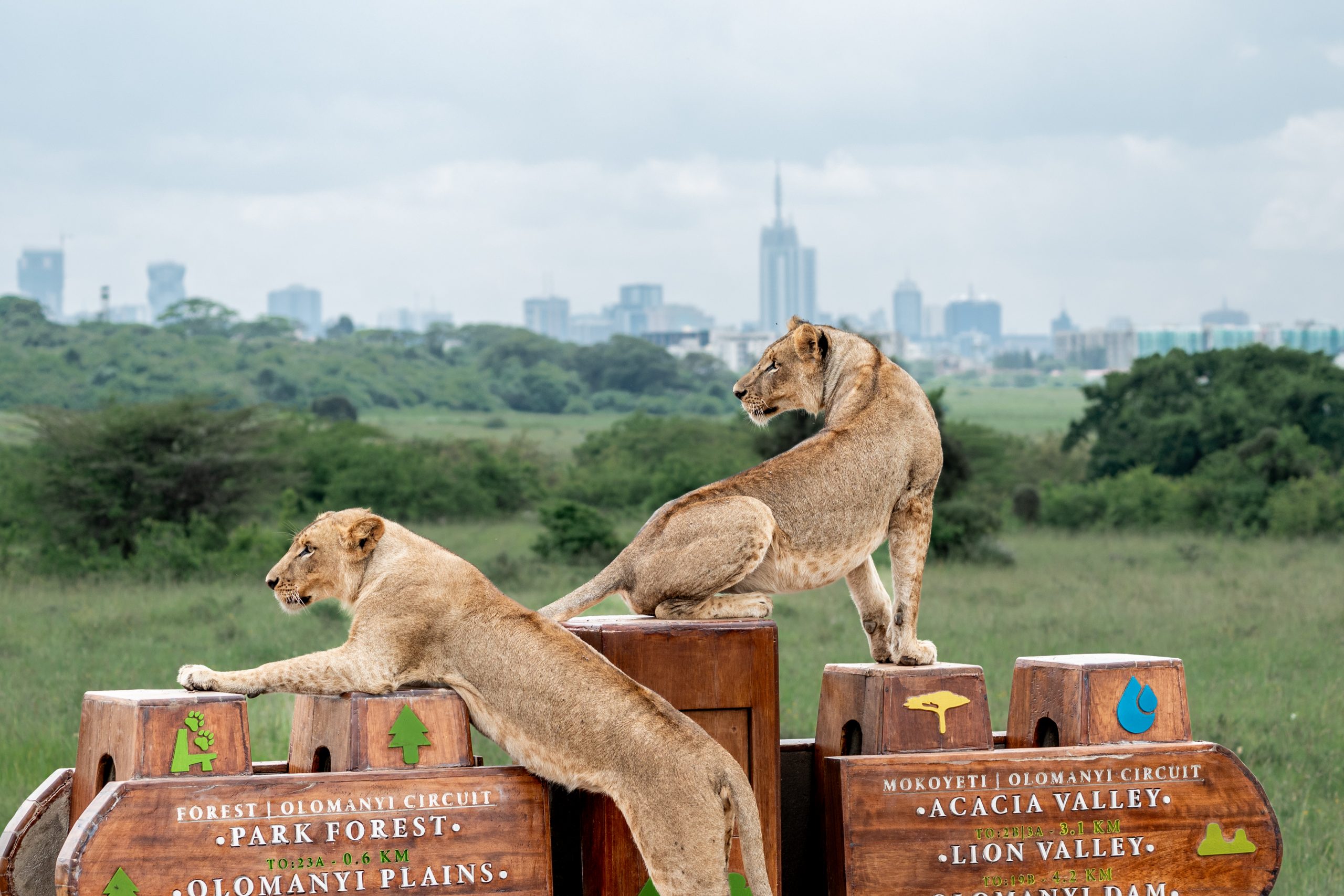
| Nairobi National Park | A vehicle-based safari in a protected savannah ecosystem on the edge of the city. |
| Karura Forest | Walking and cycling trails, woodland, waterfalls and nature experiences. |
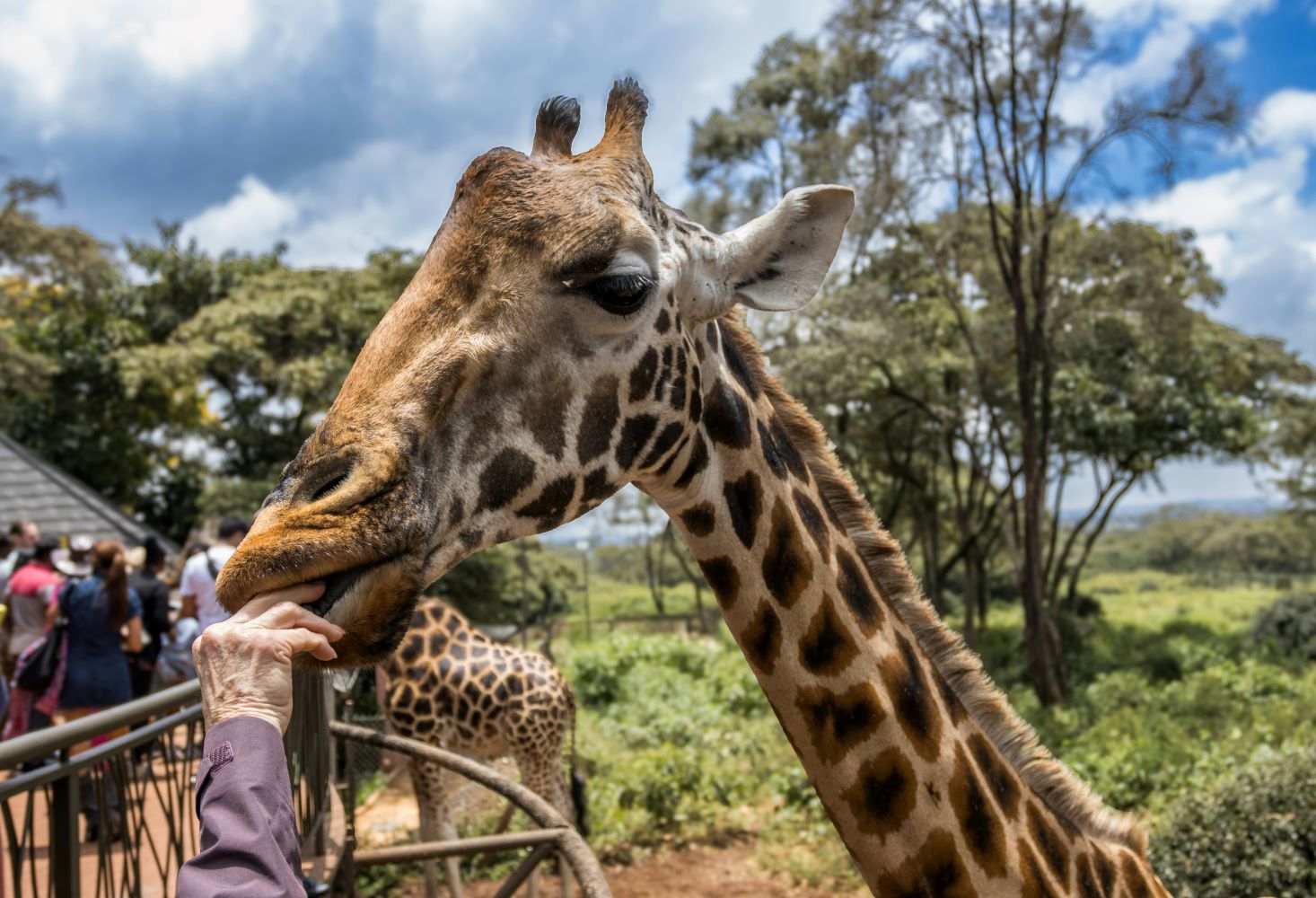
| Giraffe Centre | Conservation education and a close-up encounter with Rothschild’s giraffes. |
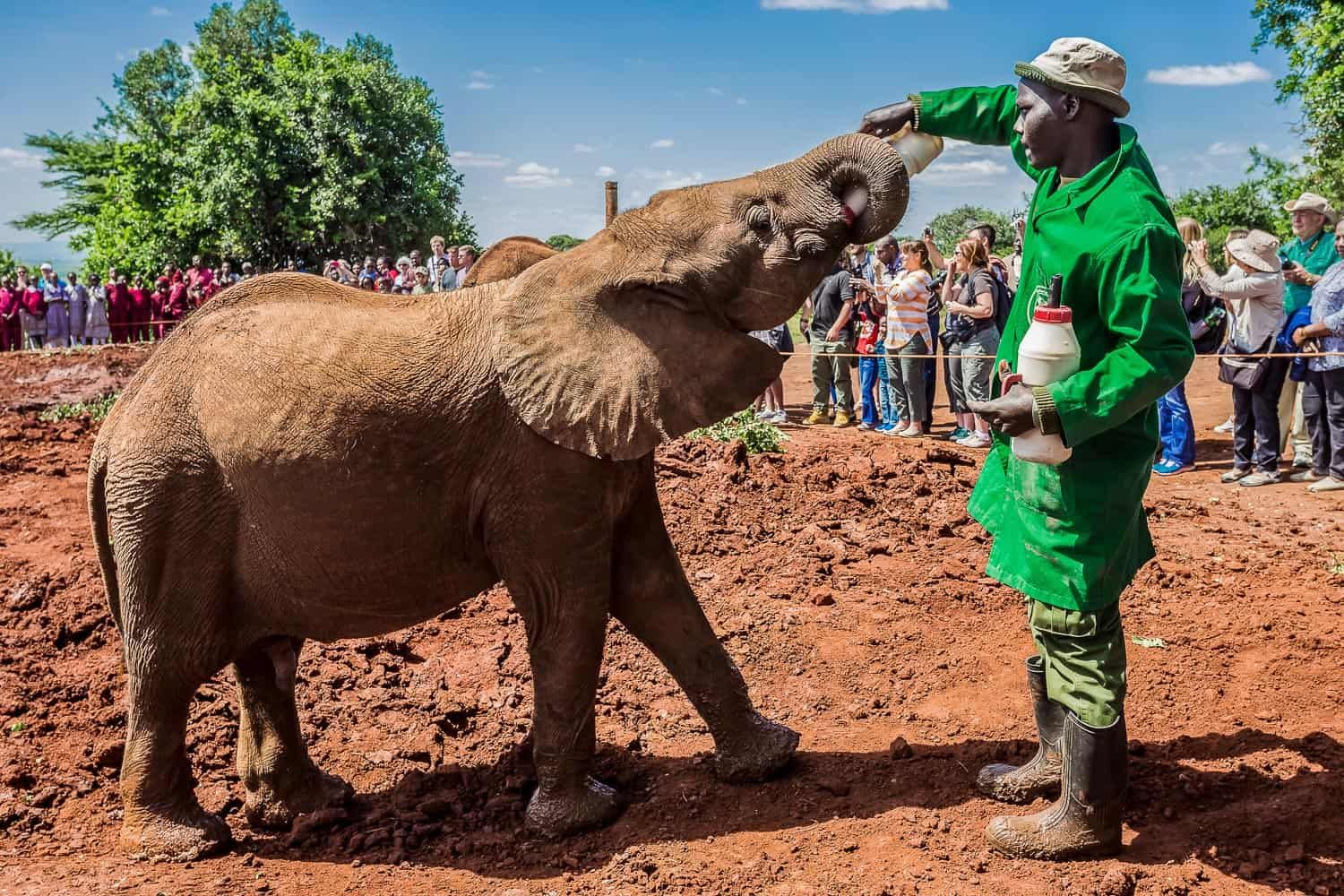
| David Sheldrick Wildlife Trust | An advance-booked conservation visit focused on rescued elephant calves. |
Frequently Asked Questions
Is Nairobi National Museum worth visiting?
Yes. It is one of the best places to gain an overview of Kenya’s natural heritage, human origins, cultures and history. It is particularly valuable for first-time visitors.
What are the museum’s opening hours?
The museum is open daily, including public holidays, from 8:30 am to 5:30 pm.
How much is entry to Nairobi National Museum?
From 7 May 2026, the published adult rate is KES 350 for Kenyan and East African citizens, USD 9 for residents and visitors from the rest of Africa, and USD 18 for visitors from outside Africa. Child and combined-ticket rates are listed above. Confirm the final amount on eCitizen before payment.
Does the museum ticket include the Snake Park?
A standard museum ticket and a Snake Park ticket are separate. A combined ticket is available for visitors who want to visit both attractions.
Can I pay cash at the museum?
The National Museums of Kenya states that payments are made through eCitizen and that cash is not accepted. Use the official ticket portal before visiting.
Can I visit the museum and Snake Park on the same day?
Yes. The two attractions are within the same museum complex. A combined ticket is available, and you should allow additional time to explore both.
Are night tours available?
Night tours can be requested in advance for organised groups of at least 10 people. They are subject to availability and should be confirmed directly with the museum.
How long does a visit take?
Allow around 1.5 to 3 hours for the museum alone. Add more time if you are visiting the Snake Park and Aquarium or attending a guided tour.
Do I need a guide?
A guide is not essential for an independent visit, but a guided tour can provide additional context. Contact the museum in advance to ask about available guided or educational programmes.
Explore More Nairobi Attractions
Nairobi Kenya Information CentreView Attraction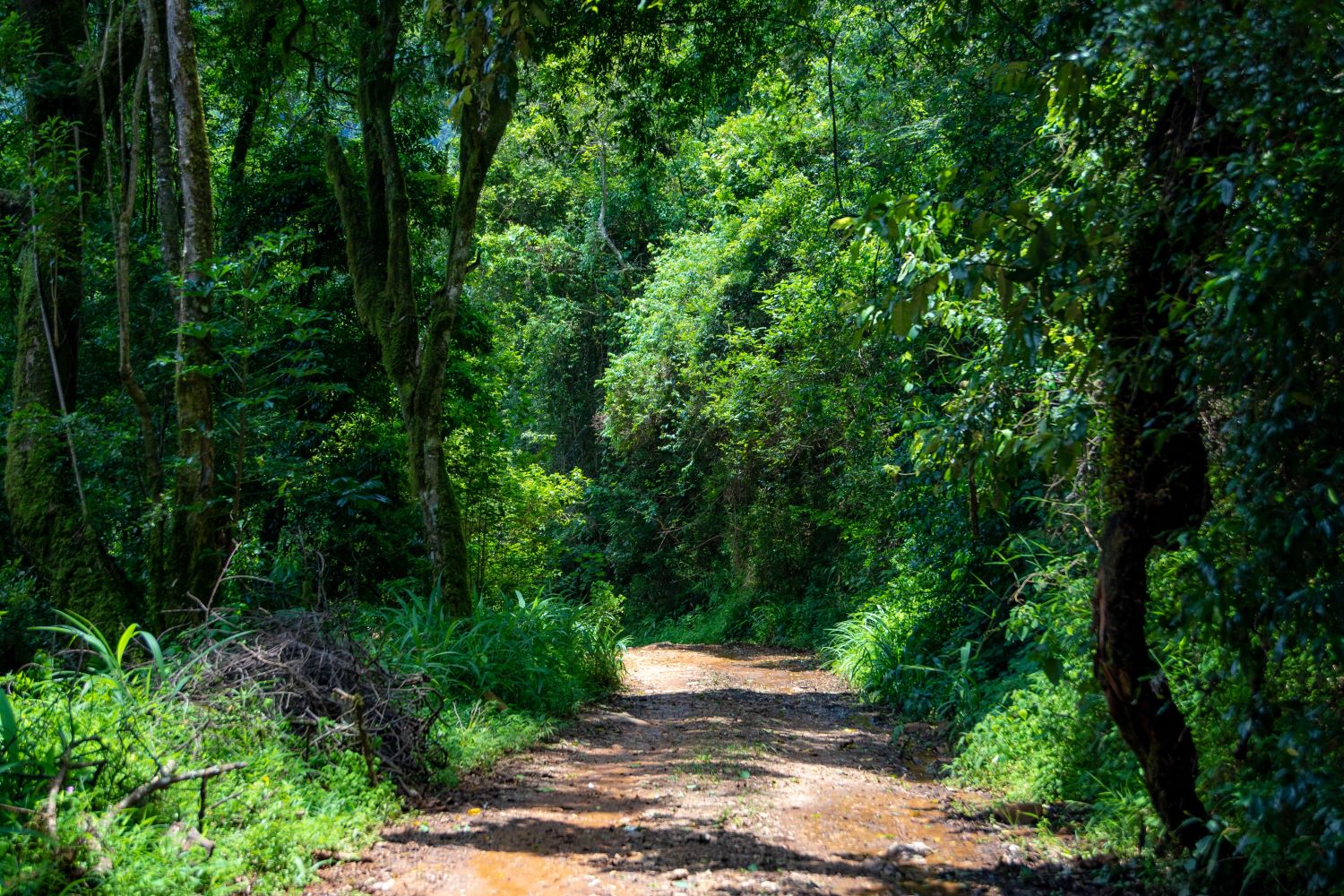 Karura ForestView Attraction
 David Sheldrick Wildlife TrustView Attraction
 Giraffe CentreView Attraction
 Top Attractions in NairobiView Attraction
 Nairobi National ParkView Attraction