The Remarkable Nairobi National Park
Nairobi National Park is one of the most distinctive wildlife destinations in Africa. Located immediately south of Nairobi, it offers visitors the opportunity to see free-ranging wildlife within easy reach of a major city. The sight of wild animals moving across open grassland with Nairobi’s skyline in the distance is one of the park’s defining experiences.
Established in 1946, the park is among Kenya’s oldest national parks. It is a fully protected wildlife area managed by the Kenya Wildlife Service (KWS), rather than a zoo or an enclosed animal attraction. Its proximity to the capital makes it especially suitable for visitors with a short stay, a business trip or a few hours between other Nairobi activities.
What makes it unique? Nairobi National Park is widely recognised as the only national park located within a capital city. It brings together a genuine savannah wildlife experience and an unmistakably urban setting.
Location, Size & Landscape
The park lies just south of Nairobi’s central business district. The distance and journey time depend on the gate used, the visitor’s starting point and traffic conditions. The protected area covers approximately 117 square kilometres and forms part of a wider landscape important for wildlife movement and conservation.
Its habitats include open savannah grassland, scattered acacia woodland, riverine vegetation, seasonal wetlands, rocky areas and rolling plains. These varied environments support different mammals, birds and other wildlife throughout the year.
Open country
Savannah Plains
Open grassland provides habitat for grazing animals and creates wide views that are ideal for game viewing and photography.
Water & vegetation
Wetlands & Riverine Areas
Seasonal water sources and vegetation attract wildlife and provide important feeding and breeding habitats, particularly for birds.
Woodland
Acacia & Bushland
Scattered trees and thicker vegetation offer shelter and feeding areas for a variety of mammals and bird species.
Southern boundary
Wider Wildlife Landscape
The park’s southern side connects to a broader open landscape. Wildlife movement and the conservation of surrounding land are important issues for the park’s long-term future.
Wildlife You May See in Nairobi National Park
Despite its relatively small size compared with Kenya’s larger safari reserves, Nairobi National Park supports a rewarding range of wildlife. Sightings are never guaranteed: animals move freely, and what visitors see depends on season, time of day, weather and luck.
Predators
Lions, Cheetahs & Leopards
Lions are among the park’s best-known attractions. Cheetahs are also found here, while leopards are more elusive and are not commonly seen on every drive. Hyenas and jackals may also be encountered.
Rhino sanctuary
Black & White Rhinos
The park is an important stronghold for rhino conservation and protects both black and white rhinos. It offers a valuable opportunity to learn about the protection of these threatened animals.
Large mammals
Giraffes, Buffalo & Zebra
Giraffes, African buffalo, plains zebra and wildebeest are among the species visitors may encounter across the grasslands and woodland edges.
Antelope & others
Eland, Gazelles & More
Several antelope species and other mammals inhabit the park. Warthogs and smaller mammals add to the variety of wildlife seen during a game drive.
Important: Nairobi National Park is not an elephant-viewing destination. Elephants are not resident in the park, so visitors hoping to see elephants should consider other parks or reserves in Kenya.
Birdlife: A Destination for Birdwatchers
Nairobi National Park is also an excellent birding destination, with more than 400 bird species recorded. Its combination of grassland, woodland, wetlands and riverine habitats attracts resident and migratory birds.
Birdlife includes ostriches, secretary birds, crowned cranes, herons, egrets, storks, vultures, eagles and other birds of prey, alongside many smaller grassland and woodland species. The species present vary with season and habitat conditions.
Visitors interested in birdwatching should bring binoculars and allow time to pause at suitable habitats rather than focusing only on large mammals.
The Nairobi Skyline Safari Experience
One of the park’s most recognisable scenes is wildlife in the foreground with Nairobi’s buildings rising in the distance. This contrast is more than a photographic attraction: it reflects the unusual relationship between a growing city and a protected natural ecosystem.
- For photographers: early and late daylight can provide attractive light across the plains and skyline.
- For first-time visitors: the park offers a genuine safari experience without a long drive out of Nairobi.
- For conservation enthusiasts: it illustrates the importance and challenges of protecting wildlife habitats beside a major urban area.
Best Time to Visit Nairobi National Park
Best time of day
| Time | What to expect | Good for |
|---|---|---|
| Early morning | Cooler conditions and the chance to find animals active after the night. | Predator searches, general game viewing and photography. |
| Late morning to midday | Temperatures can rise and some animals may rest in shade, although sightings remain possible. | Visitors with limited time or a morning schedule. |
| Afternoon | Wildlife activity may increase as the day cools, with changing light across the plains. | Afternoon game drives and landscape photography. |
Seasons
The park is open throughout the year. During drier periods, shorter grass and more concentrated wildlife around available water can sometimes make animals easier to spot. The wetter months often bring greener scenery, seasonal birdlife and dramatic skies, but rain can affect road conditions and visibility.
Kenya’s weather patterns can vary from year to year. Rather than relying on fixed seasonal guarantees, check the forecast close to your visit and ask your guide about current park conditions.
How Long Should You Spend in the Park?
Short visit
Half-Day Game Drive
A half-day visit is a popular option for travellers with limited time in Nairobi. It provides several hours to explore different habitats and look for wildlife.
More time in the park
Extended Game Drive
A longer visit allows a more relaxed pace, additional time at sightings and opportunities to explore a wider range of habitats, subject to park rules and opening hours.
For most visitors, a guided drive of around four to five hours can provide a satisfying introduction. The actual time available depends on the entry time, gate procedures, traffic and the park’s current operating requirements.
How to Visit Nairobi National Park
Guided game drives
A guided game drive is a convenient choice, especially for first-time visitors. An experienced driver-guide can help identify wildlife, interpret animal behaviour, choose routes based on current conditions and manage the practical details of entering and moving around the park.
- Choose a reputable tour operator and confirm what is included in the quoted price.
- Check whether park entry fees are included or paid separately.
- Confirm pickup time, pickup area, vehicle type and expected duration before booking.
- Ask whether the tour is private or shared with other travellers.
Self-drive
Self-drive visits are possible for visitors with a suitable vehicle and confidence navigating park roads. Check current KWS requirements, gate procedures and vehicle rules before setting out. Follow the park’s designated roads and never leave the vehicle except at authorised areas.
Wildlife sightings cannot be guaranteed on either a guided or self-drive visit. A guide can improve the experience, but animals remain free-ranging and may be out of view.
Home & Away Destinations
Nairobi National Park Half-Day Safari
Explore the park on a guided morning game drive. Ask us about group-joining and private vehicle arrangements.
View Half-Day SafariHome & Away Destinations
Nairobi National Park Night Safari
For a different experience, enquire about our separately arranged night safari, subject to vehicle and operational availability.
View Night SafariPark Gates, Opening Hours & Entry Fees
The main public access is via Lang’ata Road, south of Nairobi’s central business district. KWS identifies the park as approximately 8–10 km from the CBD; actual travel time depends on your starting point, gate procedures and traffic. Confirm the correct entry gate with your tour operator before setting off.
Official gate hours: Nairobi National Park gates open at 6:00 am and close at 6:00 pm. Plan to enter early enough to enjoy your game drive and leave before closing. Confirm any temporary changes or special arrangements with KWS.
The following are the published KWS conservation fees for Nairobi National Park under the 2025 fee regulations, in effect from 1 October 2025. These are park entry fees only and do not include your safari vehicle, transport, guide or tour operator services.
| Visitor category | Adult | Child / Student |
|---|---|---|
| East African Citizen | KES 1,000 | KES 500 |
| Kenya Resident | KES 1,350 | KES 675 |
| African Citizen | USD 40 | USD 20 |
| Non-Resident | USD 80 | USD 40 |
Visitor category is determined by KWS eligibility rules and supporting identification or residency documents. Carry the passport, national ID or valid permit relevant to the category under which you are paying. KWS may revise tariffs, so verify the applicable rate before making payment.
Payment and booking: KWS advises visitors to pay park entry fees through its official KWSPay / eCitizen portal. Check the current process before travel. Do not assume cash will be accepted at the gate, and keep your payment confirmation available.
When booking a guided safari with Home & Away Destinations, confirm whether the quoted package includes KWS entry fees and vehicle charges or whether these are payable separately. The inclusions should be clear before you confirm your booking.
What to Bring for Your Game Drive
- Camera or smartphone with sufficient battery and storage.
- Binoculars, especially for birdwatching and distant sightings.
- Light, comfortable clothing in neutral colours.
- A warm layer for early morning drives.
- Hat, sunglasses and sunscreen.
- Drinking water and any personal medication you may need.
- Closed, comfortable shoes if you plan to use authorised visitor facilities or picnic areas.
A large amount of specialist safari equipment is not necessary for a short visit. Keep personal belongings secure and follow your guide’s advice throughout the drive.
Park Rules & Responsible Wildlife Viewing
Nairobi National Park is a protected habitat managed by Kenya Wildlife Service. Visitors must follow ranger instructions and the park’s regulations throughout their visit.
- Remain inside your vehicle except at designated and authorised areas, such as approved picnic sites.
- Keep to established roads; off-road driving is prohibited.
- Observe the park speed limit of 40 km/h.
- Give wildlife the right of way, keep a respectful distance and never block an animal’s path. KWS recommends viewing wildlife from at least 20 metres where possible.
- Do not feed, chase, tease, crowd or attempt to touch wild animals.
- Keep noise low; avoid loud music, hooting and sudden movements.
- Single-use plastic is prohibited in Kenya’s national parks. Carry reusable water bottles and take all rubbish out with you.
- Drones require prior authorisation; do not fly one without the required KWS approval.
- Never drive under the influence of alcohol and follow all instructions from park rangers and officials.
Nairobi National Park for Different Travellers
First-Time Visitors
An excellent introduction to Kenya’s wildlife without needing to travel far from the capital.
Short Layovers & Business Trips
A half-day safari may fit into a short Nairobi stay, provided flight times, traffic and check-in requirements are considered carefully.
Families
Children can enjoy a wildlife experience, but check the tour operator’s age guidance, vehicle arrangements and park rules before booking.
Photographers & Birders
The skyline, open plains, rhinos and varied birdlife offer plenty of photographic and observation opportunities.
Conservation: Why the Park Matters
Nairobi National Park protects important wildlife populations and habitats beside one of East Africa’s largest urban centres. It is particularly significant for rhino conservation, environmental education, research and public awareness.
The park also faces pressures associated with urban growth, infrastructure, habitat fragmentation and the need to maintain wildlife movement across the wider landscape. Its future depends not only on protecting the park itself, but also on responsible planning and conservation beyond its boundaries.
Visiting responsibly, respecting park regulations and supporting credible conservation organisations all contribute to the long-term value of this unique protected area.
Explore More With Home & Away Destinations
If you have more time in Nairobi, you can combine your national park experience with other tours arranged by Home & Away Destinations. Plan activities around your available time and allow for Nairobi traffic when arranging multiple experiences in one day.
City experience
Nairobi City Walking Tour
Discover central Nairobi on a guided walking experience covering selected city landmarks and local highlights.
Explore City Walking TourWildlife & conservation
Nairobi Park, Sheldrick & Giraffe Centre
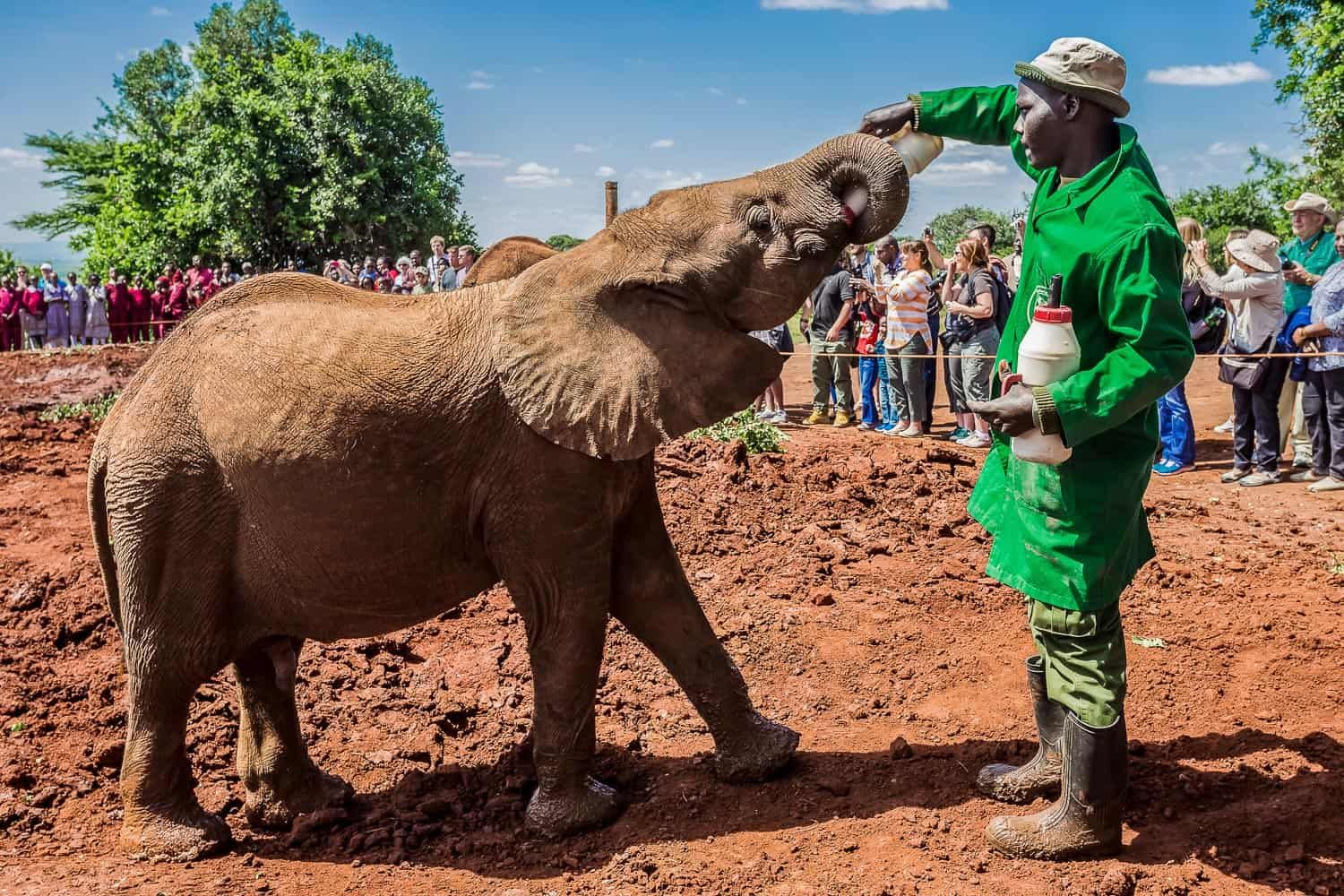
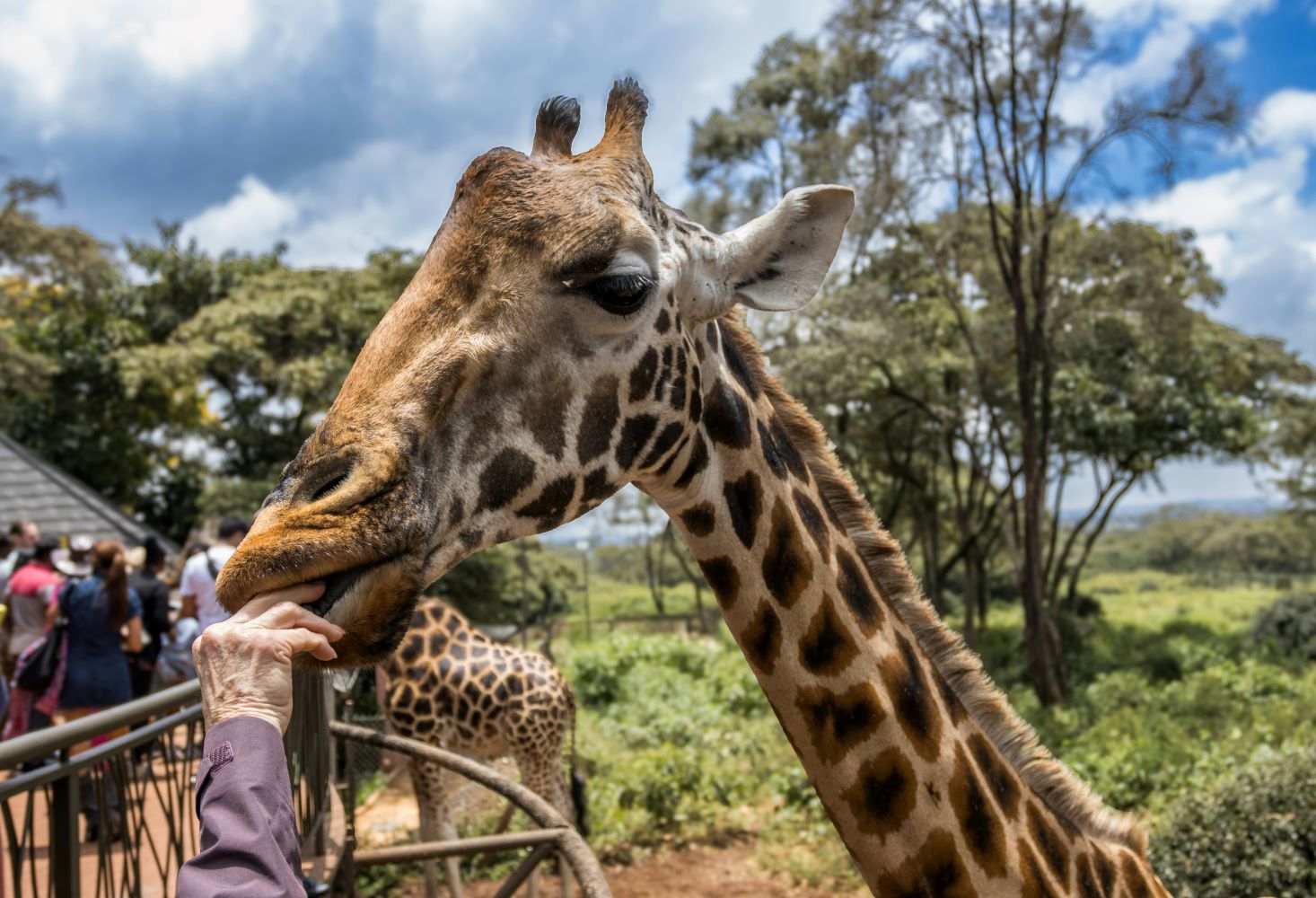
Combine a Nairobi National Park game drive with visits to the Sheldrick elephant experience and the Giraffe Centre, subject to the tour schedule and each attraction’s visitor arrangements.
View Combined Day TourFrequently Asked Questions About Nairobi National Park
Is Nairobi National Park worth visiting?
Yes. It offers a genuine wildlife safari close to the capital and is particularly distinctive for its combination of open savannah, free-ranging wildlife and city skyline views.
Can you see the Big Five in Nairobi National Park?
No. The park does not have all of the traditional Big Five. Elephants are not resident in the park. Lions, leopards, buffalo and rhinos are present, although sightings are never guaranteed.
Are there elephants in Nairobi National Park?
No, Nairobi National Park is not an elephant-viewing destination. Consider other Kenyan parks and reserves if seeing elephants is a priority.
Can visitors see rhinos?
Both black and white rhinos are protected in the park. Sightings are possible, but never guaranteed because the animals move freely within their habitat.
How far is Nairobi National Park from the city centre?
The park is immediately south of the city and is commonly described as being about 7 km from the CBD. Actual road distance and journey time depend on the gate, route and traffic.
What is the best time for a game drive?
Early morning and late afternoon are popular because temperatures are generally cooler and wildlife may be more active. The best time also depends on your schedule and current conditions.
How many hours do I need?
A half-day drive of around four to five hours is a common choice. Longer visits allow a more relaxed exploration, subject to park hours and regulations.
Can I visit Nairobi National Park on my own?
Yes, self-drive visits are possible, subject to current KWS requirements and vehicle rules. A guided drive can be helpful for first-time visitors and wildlife interpretation.
Is Nairobi National Park suitable for children?
It can be a rewarding family experience. Confirm age policies and vehicle arrangements with your tour operator, and ensure children remain inside the vehicle during the game drive.
Are park entry fees included in safari packages?
Not always. Check the inclusions carefully and ask whether KWS park entry fees and any additional charges are paid separately.
Is the park open throughout the year?
The park is generally visited year-round, but operating hours, access and conditions can change. Confirm current details with KWS before your visit.
Official Visitor Information
For current park notices, entry tariffs, visitor requirements and conservation information, consult the Kenya Wildlife Service before travelling.
- Kenya Wildlife Service (KWS) – official park management and visitor information.
Explore More Nairobi Attractions