 Nairobi Kenya Information CentreView Attraction
Discover the Giraffe Centre
The Giraffe Centre is a conservation and environmental education centre in Nairobi’s Lang’ata suburb. It is operated by the African Fund for Endangered Wildlife (AFEW Kenya), a non-profit organisation established to support the protection of the Rothschild’s giraffe, also known as the Nubian giraffe.
The centre gives visitors an opportunity to observe and feed giraffes from a purpose-built raised platform, learn about their biology and conservation, and explore the surrounding nature area. It is a popular stop for families, first-time visitors to Nairobi, school groups and travellers who want a wildlife experience without travelling far from the city.
Important distinction: the Giraffe Centre is a conservation and education facility, not Giraffe Manor. Giraffe Manor is a separate private hotel nearby and is not part of the public Giraffe Centre visit.
Location & How to Get There
The Giraffe Centre is located on Nyumbi Road, off Duma Road, in Lang’ata, Nairobi, approximately 15 kilometres from the city centre. The drive can take around 30–60 minutes or longer depending on traffic, especially during weekday peak periods.
Location
Lang’ata, Nairobi
Use “Giraffe Centre Nairobi” as your destination in a navigation app. Follow the directions to the public visitor entrance.
Convenient option
Taxi & Ride-Hailing
Uber, Bolt or a pre-arranged taxi is a convenient way to reach the centre. Agree on your return pickup arrangements, particularly if visiting during a busy period.
Public transport
Matatu & Local Connections
Public transport serves the Lang’ata area, but you may need a short taxi or ride-hailing connection to the entrance. Confirm the correct route and drop-off point before travelling.
Nearby attractions
Karen & Lang’ata
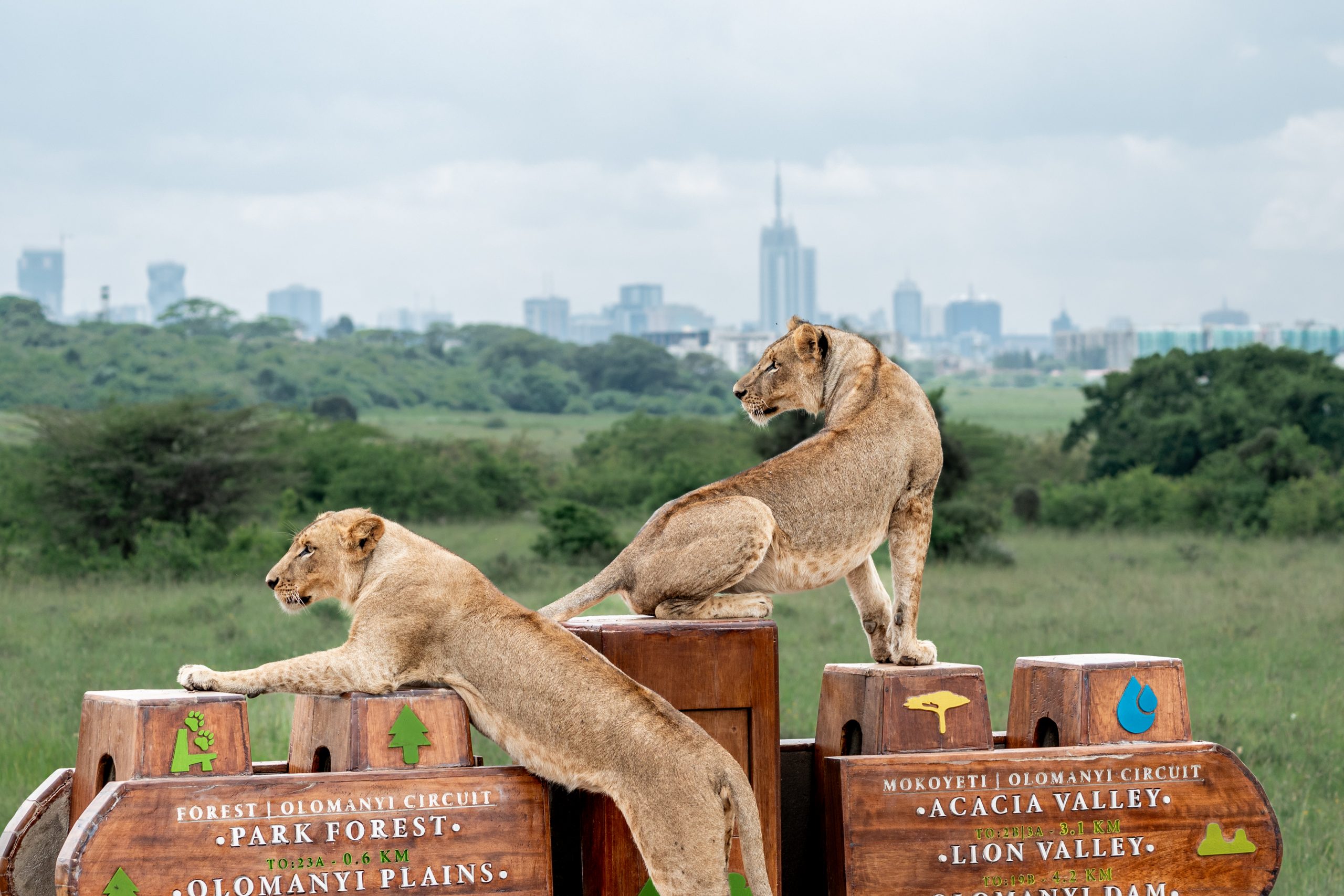
The centre can be combined with other nearby attractions such as the Karen Blixen Museum, Nairobi National Park or the Sheldrick Wildlife Trust, subject to their separate opening and booking arrangements.
The Conservation Story: Protecting Rothschild’s Giraffes
The Giraffe Centre was established in 1979 by Jock and Betty Leslie-Melville through AFEW Kenya, in response to the decline of the Rothschild’s giraffe in Kenya. The early conservation programme focused on breeding and protecting this threatened subspecies and raising public awareness of the pressures facing giraffes and their habitats.
Over the years, the centre’s work has included breeding, conservation education and the translocation of giraffes to protected areas where populations can be supported. Its education programmes also help Kenyan schoolchildren and teachers understand biodiversity, habitat protection and the importance of living responsibly alongside wildlife.
Why it matters: a visit is not only an opportunity to see giraffes up close. According to the centre, 90% of funds collected from entrance fees and sales at its gift shop and Tea House go towards its conservation work and education programmes.
Learn more through the official Giraffe Centre website and its sanctuary information.
What Visitors Experience
Main highlight
The Raised Feeding Platform
The elevated platform brings visitors close to the giraffes at approximately head height. Staff provide approved food pellets and explain how to feed the animals safely. This is the best-known part of the visit and a favourite for photography.
Learning experience
Conservation Talk
Environmental educators share information about giraffe anatomy, behaviour, diet, threats and conservation. Take time to ask questions and learn about the centre’s work beyond the feeding platform.
Nature experience
Nature Conservancy Trail
The grounds include a nature area with a walking trail through indigenous vegetation. It offers a quieter contrast to the feeding platform and an opportunity to notice birds, plants and the wider environment.
On-site facilities
Tea House & Gift Shop
Visitors can take a break at the Tea House and browse the gift shop. Purchases also contribute to the centre’s conservation and education work.
How to Feed the Giraffes Responsibly
Feeding is supervised and visitors must follow the instructions provided by the centre’s educators. The giraffes should only receive the approved pellets or foliage supplied by staff.
- Feed one pellet at a time, following the educator’s demonstration.
- Hold the pellet as instructed, using your thumb and index finger; do not offer food on an open palm.
- Do not tease the giraffes or approach them when you do not have approved food.
- Do not bring your own food or feed the giraffes anything other than what staff provide.
- Keep calm and quiet around the animals and follow staff directions.
- Supervise children closely and ensure they follow the feeding instructions.
- Do not attempt to touch, restrain or climb over barriers to reach an animal.
Animal welfare comes first: feeding and close encounters are controlled by the centre. The animals’ availability and participation can vary, and staff may change or pause activities when necessary.
Entry Fees, Payment & Opening Hours
The centre’s published visitor information states that it is open every day from 9:00 am to 5:00 pm, including weekends and public holidays. The current rates published on its official FAQ are shown below.
| Visitor category | Adult | Child (3–12 years) |
|---|---|---|
| Non-resident | KES 1,500 | KES 750 |
| Resident | KES 400 | KES 200 |
| Children under 3 years | Free | |
Student rate: students below 23 years with a valid student identification card from a recognised learning institution are charged the child rate, according to the centre’s FAQ.
The centre states that its resident rates apply to visitors who can provide Kenyan or East African identification. Carry an appropriate National ID, passport or alien card to support the category you are claiming. If you are unsure whether you qualify, confirm directly with the centre before your visit.
Accepted payment methods: M-Pesa, Visa and Mastercard. The centre’s FAQ says it does not accept other payment methods, so do not rely on cash.
Rates can change: the fees above are those published on the official Giraffe Centre website when this guide was prepared. Confirm the latest rates and payment arrangements before travelling, especially for group visits.
Booking, School Visits & Contact Details
For individual visitors, the centre’s public FAQ provides walk-in visitor information and does not state that advance booking is routinely required. However, it is sensible to check ahead during busy periods, for larger groups or when combining the visit with a timed itinerary.
School groups: the centre asks schools to book free visits at least one week in advance through its Contact Us page. School visits are scheduled between 9:00 am and 12:00 noon, according to the centre’s contact information. Do not assume the school-group arrangement applies to ordinary private visitors.
Official Contact
Email: info@giraffecentre.org
Landline: +254 20 807 0804
Safaricom: +254 723 786 165
Airtel: +254 734 890 952
Before You Visit
- Check opening hours and rates.
- Carry the correct ID if claiming resident rates.
- Have M-Pesa or a bank card ready.
- For school visits, book at least one week ahead.
- Allow extra travel time for Nairobi traffic.
Best Time to Visit
Best time of day
Early morning is a good choice for a more relaxed visit. The centre identifies 11:00 am to 1:00 pm as its busiest period on weekdays, while weekends and public holidays can be busy throughout the day. Arriving near opening time can help you avoid some of the crowds.
How long to spend
The centre recommends allowing 1.5 to 2 hours. This gives you time for the feeding platform, an educational talk, the nature trail and a stop at the Tea House or gift shop. A shorter visit is possible, but you may miss some of the educational and nature experiences.
Seasons
The Giraffe Centre is open year-round. Nairobi’s rainy periods can make the nature trail damp or muddy, while dry periods may be more comfortable for walking. Check the weather forecast and wear suitable footwear.
Who Should Visit?
Families & Children
An engaging introduction to wildlife and conservation. Children must be supervised, especially on the feeding platform.
First-Time Visitors
A convenient Nairobi attraction that offers a memorable wildlife encounter without the time commitment of a full safari.
Short-Stay Travellers
Its location in Lang’ata makes it possible to combine with other nearby attractions, provided you allow for traffic and separate entry arrangements.
Schools & Learning Groups
The centre’s conservation education work makes it a useful learning destination. School groups should arrange their free visit in advance.
Combining the Giraffe Centre with Other Nairobi Attractions
The Giraffe Centre is in the Lang’ata and Karen area, making it possible to build a day around several nearby experiences. Each attraction has its own entry requirements, opening hours and booking arrangements, so plan the order carefully.
| Attraction | What makes it different | Planning note |
|---|---|---|
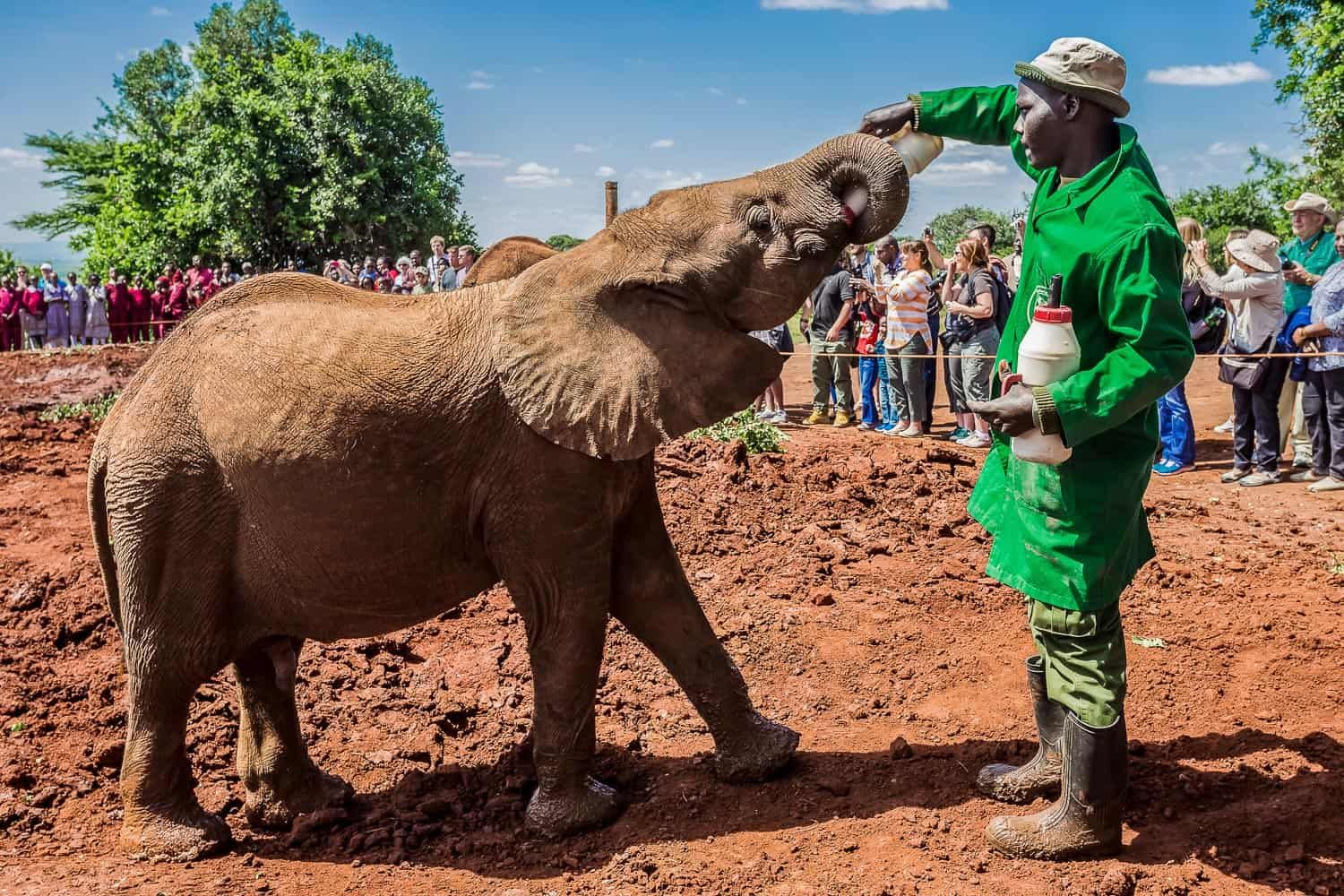
| David Sheldrick Wildlife Trust | Rescue, care and rehabilitation of orphaned elephants and other wildlife. | Public nursery visits are limited and require advance booking; check the Trust’s current visiting instructions. |
| Nairobi National Park | A genuine savannah safari with free-ranging wildlife. | Allow several hours for a game drive and arrange park entry separately through KWS. |
| Karen Blixen Museum | History, heritage and the story of Karen Blixen’s former home. | Check museum opening hours and ticket arrangements. |
Visitor Guidelines & Practical Tips
- Follow instructions from educators and other centre staff at all times.
- Feed giraffes only with food supplied by the centre.
- Keep noise low and avoid sudden movements around the animals.
- Do not tease, chase or approach giraffes outside the supervised feeding activity.
- Keep children within arm’s reach and supervise them continuously.
- Dispose of litter in the bins provided and respect the nature area.
- Drones are prohibited under the sanctuary code of conduct.
- Wear comfortable shoes for the platform and nature trail.
- Carry sun protection and drinking water, especially on warm days.
- Wash or sanitise your hands after the animal-feeding experience.
Giraffe Centre vs Sheldrick Orphanage vs Nairobi National Park
| Experience | Main focus | Best for |
|---|---|---|
| Giraffe Centre | Close-up, supervised feeding and conservation education about Rothschild’s giraffes. | Families, short visits and interactive learning. |
| David Sheldrick Wildlife Trust | Rescue and rehabilitation stories involving orphaned elephants. | Visitors interested in wildlife rescue and conservation. |
| Nairobi National Park | Wild animals living in a protected savannah ecosystem. | Game drives and broader wildlife viewing. |
These experiences complement one another. The Giraffe Centre is not a substitute for a safari, and neither a safari nor the elephant nursery offers the same close-range giraffe feeding experience.
Frequently Asked Questions
What time does the Giraffe Centre open?
The official FAQ lists opening hours as 9:00 am to 5:00 pm every day, including weekends and public holidays.
How much is the Giraffe Centre entrance fee?
The published rates are KES 1,500 for non-resident adults and KES 750 for non-resident children aged 3–12. Resident rates are KES 400 for adults and KES 200 for children. Children under three enter free.
Can I pay cash?
The centre states that it accepts M-Pesa, Visa and Mastercard only. Plan to pay using one of these methods.
Do I need to book in advance?
The official FAQ does not state that individual visitors must book in advance. School groups must book at least one week ahead. Contact the centre before travelling if you are visiting as a large group or need confirmation of current arrangements.
Can visitors feed the giraffes?
Yes. Visitors can feed the giraffes from the designated platform using approved pellets supplied by the centre and following staff instructions.
Can I touch the giraffes?
The experience is a supervised feeding encounter, not unrestricted animal contact. Follow the centre’s instructions and do not attempt to touch or approach the giraffes outside the approved activity.
How long does a visit take?
The centre recommends 1.5 to 2 hours to enjoy the feeding platform, educational talk, nature trail and Tea House.
Is the Giraffe Centre the same as Giraffe Manor?
No. The Giraffe Centre is a public conservation and education attraction. Giraffe Manor is a separate private hotel and access is subject to its own guest and booking arrangements.
Does the entrance fee support conservation?
The centre states that 90% of funds collected from entrance fees and sales at its gift shop and Tea House go towards its conservation work and education programmes.
Explore More Nairobi Attractions
Nairobi Kenya Information CentreView Attraction Karura ForestView Attraction
 David Sheldrick Wildlife TrustView Attraction
 Nairobi National MuseumView Attraction
 Top Attractions in NairobiView Attraction
 Nairobi National ParkView Attraction